I was sitting at my workbench last Tuesday, trying to calibrate an old Marantz receiver, when I realized just how much the tech industry has shifted toward selling us disposable junk. I saw an advertisement for one of those ultra-slim, high-end portable monitors, and frankly, it made my blood boil. They promise “seamless productivity” and “unmatched portability,” but all I saw was a glorified piece of glass held together by hopes and dreams. Most of these portable monitors on the market today are nothing more than overpriced plastic shells that will likely flicker out or snap at the hinge the moment you actually try to use them in the field.
I’m not here to sell you on the latest flashy marketing gimmick or some “lifestyle” gadget that requires a software update just to turn on. My goal is simple: I’m going to show you which screens actually have the build quality to survive a trip in your laptop bag and which ones are a complete waste of your hard-earned money. I’ve spent enough time looking at schematics and stress-testing hardware to know the difference between a solid tool and a temporary distraction. Let’s get down to what actually works.
Table of Contents
Finding High Resolution Mobile Screens That Dont Fail
When you’re looking at high resolution mobile screens, don’t let the marketing departments dazzle you with fancy pixel counts while ignoring the actual panel quality. I’ve seen too many people buy a device thinking they’re getting a crystal-clear image, only to realize the color accuracy is garbage and the brightness won’t even compete with a desk lamp. If you’re hunting for the best portable monitors for remote work, you need to look past the resolution numbers and check the panel type. An IPS panel is non-negotiable here; anything else will give you terrible viewing angles that make your eyes ache after an hour of actual work.
Another thing most people overlook is how the power is handled. I don’t want a mess of wires tangling up my workspace like a bird’s nest. You should be looking for a reliable single cable monitor connection via USB-C. If a device claims to be “plug and play” but requires a separate power brick just to keep the screen from flickering, it’s a poorly engineered piece of junk. A solid piece of kit should draw its power directly from your laptop without a fuss.
The Best Portable Monitors for Remote Work Efficiency
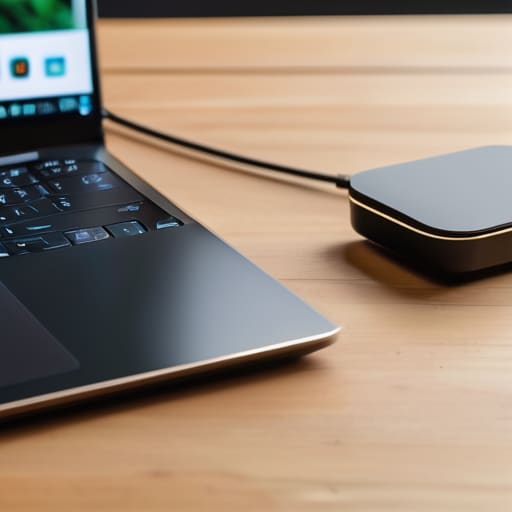
When you’re working from a kitchen table or a cramped hotel desk, you don’t need a complicated mess of wires fighting for space. I’ve seen too many people struggle with a dozen different adapters just to get a second screen to flicker to life. If you want real efficiency, you should look for a plug and play monitor setup that utilizes USB-C. I always check the specs for a single cable monitor connection; if you can power the device and send the video signal through one cord, you’ve saved yourself a massive headache and a lot of cable clutter.
I’ve tested several models that claim to be the best portable monitors for remote work, but most of them feel like they’re made of thin, cheap shells. For a serious workstation, you need a portable monitor for laptop expansion that has a sturdy kickstand or a solid integrated cover. Don’t settle for something that wobbles every time you type. You want a piece of hardware that stays exactly where you put it, providing a stable, reliable extension of your primary machine without requiring a technician to get it running.
Five Things to Check Before You Open Your Wallet
- Look for metal casing, not just thin plastic. I’ve seen too many of these “ultra-slim” models that bend like a piece of cardboard the second you put them in a laptop bag. If it doesn’t feel substantial in your hands, it isn’t going to last through a year of commuting.
- Check the connection ports twice. Don’t get stuck with a monitor that only has one way to plug in. You want something with reliable USB-C power delivery and a solid HDMI port, so you aren’t hunting for a dozen different dongles just to get a signal.
- Don’t get blinded by “4K” marketing hype. Most of these portable screens are too small to actually benefit from 4K resolution, and you’ll end up paying a premium for pixels you can’t even see. A crisp 1080p or a high-quality QHD screen is much more practical for the price.
- Inspect the stand mechanism. A lot of these manufacturers use those flimsy little “kickstands” that slip if you breathe on them too hard. Look for a built-in cover that doubles as a sturdy stand, or better yet, something with a hinge that actually holds its position.
- Watch out for the “ghost” brightness issue. Many budget monitors claim to be bright, but once you sit near a window or in a coffee shop, they become useless. Check the nit rating; if it’s under 300, you’re going to be squinting at a dark mirror all day.
Roland’s Rules for Not Getting Ripped Off
Stop chasing the highest pixel count if the build quality is garbage; a 4K screen is useless if the hinge snaps or the casing flexes every time you touch it.
Prioritize connection stability by looking for monitors with solid USB-C implementation rather than relying on a mess of flimsy adapters that will inevitably fail.
Don’t let marketing jargon fool you—check the actual physical dimensions and weight to ensure the thing is actually portable, not just a glorified tablet that’s too heavy to carry.
The Real Cost of Cheap Hardware
I’ve spent enough years on manufacturing floors to know that when a company cuts corners on the internal housing and the connector ports, they aren’t saving you money—they’re just scheduling a trip to the landfill. If you’re buying a portable monitor, stop looking at the brightness specs for a second and start looking at the build quality; a pretty screen is useless if the cable wiggles loose every ten minutes.
Roland Delacroix
The Bottom Line
Look, I’ve spent enough time in manufacturing to know that a spec sheet can lie to you, but the build quality won’t. If you’ve followed my advice, you know that a high resolution is useless if the connection ports are loose or the casing feels like a cheap toy. You need to prioritize a solid connection method, a screen that doesn’t flicker when you move it, and a brightness level that can actually handle a bit of sunlight. Don’t get distracted by the flashy marketing jargon; focus on the physical durability and the actual utility of the device. At the end of the day, you aren’t just buying a screen; you are buying a reliable tool that needs to perform every single time you plug it in.
I know the tech market is designed to make you feel like you’re constantly falling behind, but don’t let the hype cycle dictate your wallet. You don’t need the most expensive, over-engineered gadget on the shelf to get your work done efficiently. You just need something that actually works and stays out of your way. Buy something built to last, treat it with a bit of respect, and it will serve you well for years. Now, go grab your gear and get to work—stop overthinking it and just get the right tool for the job.
Frequently Asked Questions
How do I know if my laptop actually has the power to run a second screen, or am I going to need to hunt for extra power bricks?
Before you go buying more cables, check your laptop’s ports. If you see a USB-C port with a little lightning bolt next to it—that’s Thunderbolt—you’re in good shape; it can handle the video signal and power the monitor all through one cord. If it’s just a standard USB port, expect to hunt for a second power brick. Don’t get caught halfway through a project with a screen that refuses to wake up.
Are these thin, lightweight screens actually durable enough to survive being shoved into a laptop bag every day?
Look, I’ll give it to you straight: most of these ultra-thin panels are built like crackers. If you’re shoving one into a cramped laptop bag alongside a power brick and a charger, you’re asking for a cracked LCD. If you insist on going mobile, look for a model with a reinforced metal chassis or a hard-shell protective case. Don’t trust a piece of glass held together by nothing but hope and thin plastic.
What’s the real difference between a cheap TN panel and an IPS panel when I'm actually sitting down to use it?
Look, if you’re sitting in front of a cheap TN panel, you’re going to be constantly tilting your head just to see what’s on the screen. The colors shift and wash out the second you move an inch. It’s frustrating. With an IPS panel, the image stays consistent and the colors actually look like they should. If you’re doing real work, don’t settle for TN; it’s just a recipe for eye strain.
