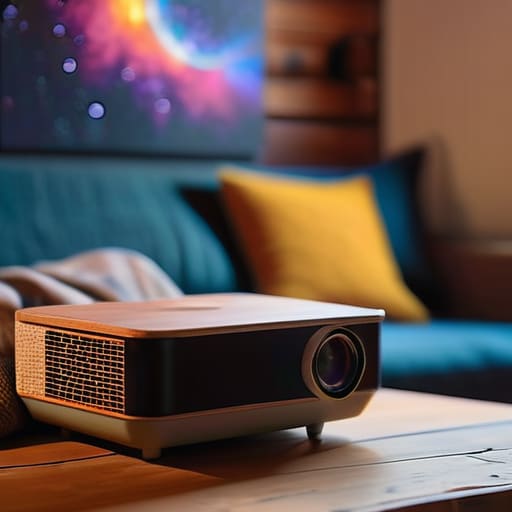
I was sitting in my workshop last Tuesday, staring at a sleek, palm-sized device I’d picked up on a whim, trying to figure out why it was taking me forty minutes just to get a signal. It’s the same story every time I see these things: manufacturers wrap a mediocre lens in a shiny chassis and call it “revolutionary.” They promise you a cinema in your pocket, but when it comes down to actual portable projector use, you’re usually left wrestling with finicky software and a brightness level that wouldn’t outshine a dying flashlight. I’ve spent thirty years in systems engineering, and if there is one thing I know, it’s that complexity is often just a mask for poor design.
I’m not here to sell you on the marketing fluff or tell you that every plastic gadget is a life-changer. My goal is to cut through the noise and show you how to actually get a decent image without needing a computer science degree. I’ll be walking you through the practical realities of setup, the gear that actually holds up, and how to avoid wasting your hard-earned money on glorified paperweights. We’re going to focus on reliability and results, not flashy specs that look good on a box but fail in the real world.
Table of Contents
- Mastering Compact Home Theater Solutions Without the Complexity
- Connecting Smartphones to Mini Projectors Without the Headache
- Five Things They Don't Tell You Before You Buy a Portable Projector
- Bottom Line: Don't Get Fooled by the Box
- The Reality of Portable Tech
- The Bottom Line on Portable Projection
- Frequently Asked Questions
Mastering Compact Home Theater Solutions Without the Complexity
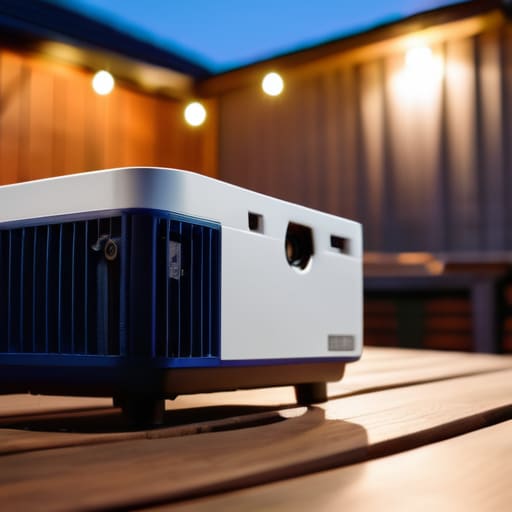
When you’re looking at these compact home theater solutions, the marketing departments will try to sell you on “cinematic magic.” Forget that. I want to talk about the actual mechanics of setting things up without losing your mind. Most of these little units are built for convenience, but that often means they cut corners on the hardware. If you’re planning on moving the device from the living room to the patio, you need to pay attention to the projector brightness for travel. If the lumen count is too low, you’ll spend your entire evening fighting shadows instead of enjoying the film.
Another thing people overlook is the power situation. I’ve seen plenty of these gadgets die halfway through a movie because the manufacturer lied about the internal cell capacity. If you aren’t plugged into a wall, you better be checking the portable projector battery life against the actual runtime of the film you’re watching. Don’t be the person sitting in the dark because your “portable” device turned into a paperweight forty minutes into the feature. Keep it simple: check your power, check your light, and don’t buy into the hype.
Connecting Smartphones to Mini Projectors Without the Headache
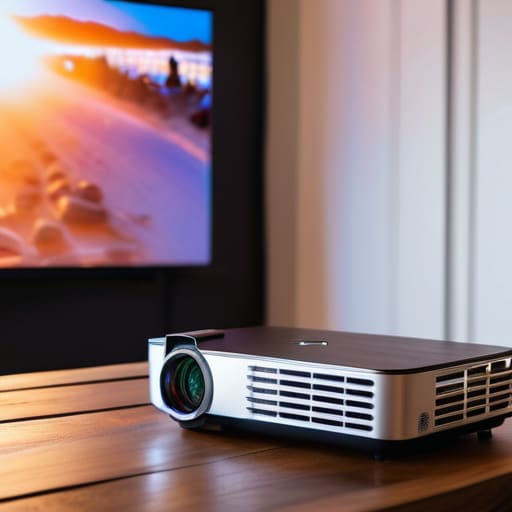
I’ve seen far too many people get halfway through setting up a movie night only to realize their phone won’t talk to their device. It’s frustrating, and frankly, it’s a design flaw in how these things are marketed. When you’re connecting smartphones to mini projectors, the easiest way isn’t always the most reliable. While manufacturers love to brag about their wireless screen mirroring techniques, I’ve found that relying solely on Wi-Fi is a recipe for lag and dropped connections. If you want a stable image that doesn’t stutter every time someone walks past the router, do yourself a favor and use a physical adapter.
A simple Lightning-to-HDMI or USB-C to HDMI cable is worth every penny. It eliminates the guesswork and keeps the signal clean. I always keep a couple of these in my toolkit because, in my experience, hardware you can actually touch is much more dependable than software that decides to update right when the film starts. If you are building one of the best outdoor movie setups on a budget, don’t let a bad wireless connection ruin the evening. Stick to the cables, keep it simple, and you won’t be fighting with your settings all night.
Five Things They Don't Tell You Before You Buy a Portable Projector
- Stop relying on built-in speakers. Most of these compact units use tiny, paper-thin drivers that sound like a tin can rattling in a windstorm. If you want actual depth, plug in a decent set of external speakers via the auxiliary port. It’s a simple fix that makes a massive difference.
- Don’t fight the ambient light. I see people trying to project a movie in a living room with the curtains wide open, and it’s a fool’s errand. Even the most expensive portable unit will struggle against sunlight. If you aren’t willing to black out the room, you’re just throwing money away.
- Check your power requirements before you pack a bag. Some of these gadgets claim to be “portable,” but they require a bulky AC adapter that needs a wall outlet every ten minutes. If you’re planning on using it in a backyard or a tent, make sure it actually has a substantial internal battery, not just a USB port that drains in twenty minutes.
- Mind the surface you’re projecting on. You don’t need a professional screen, but don’t expect a miracle if you’re aiming at a textured, eggshell-finish wall. A flat, matte white surface is your best friend. If the wall is bumpy, you’re going to spend more time squinting at shadows than enjoying the film.
- Keep an eye on the cooling vents. These little machines pack a lot of heat into a tiny plastic housing. Don’t shove them into a tight corner or cover them with a cloth to “hide” the wires. If you block the airflow, you’re asking for the internal components to fry, and once that happens, there’s no fixing it.
Bottom Line: Don't Get Fooled by the Box
Prioritize lumens and physical connectivity over fancy software; if it doesn’t have a reliable HDMI port, it’s just an expensive paperweight.
Avoid any device that relies solely on a proprietary app to function—if the software crashes, you’re left staring at a black screen and a wasted afternoon.
Check the cooling fan specs before buying; a tiny, cheap projector that runs hot will burn itself out in six months, and you’ll be back to square one.
The Reality of Portable Tech
“A projector isn’t a piece of magic; it’s a piece of hardware. If you’re spending more time troubleshooting a finicky connection than you are actually watching a film, then you haven’t bought a home theater—you’ve bought a high-priced paperweight.”
Roland Delacroix
The Bottom Line on Portable Projection
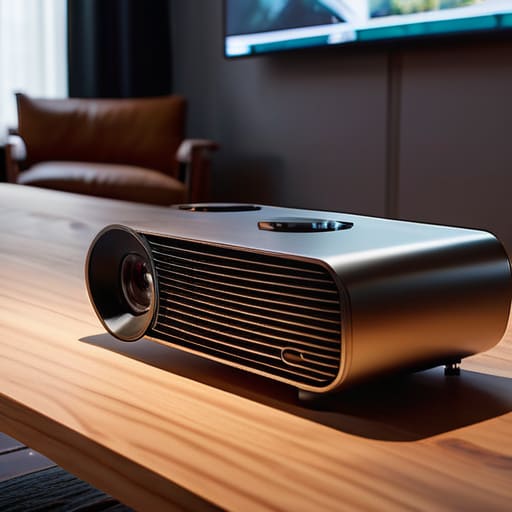
At the end of the day, using a portable projector shouldn’t feel like a second job. We’ve covered how to avoid the cheap, plastic junk that breaks the moment you try to connect a phone, and how to set up a decent viewing area without needing a degree in electrical engineering. Remember, it’s about the fundamentals: a stable connection, decent brightness for the room you’re in, and a device that actually stays cool under pressure. Don’t let the marketing departments fool you with flashy buzzwords; focus on the build quality and connectivity that actually matter when you’re sitting down to watch a movie.
Technology is supposed to serve us, not the other way around. I’ve spent enough time in manufacturing to know that if a tool is too complicated to use reliably, it’s a poorly designed tool. When you find that right balance of portability and performance, you’ll realize that you don’t need a massive, permanent installation to enjoy a great picture. Buy something that is built to last, keep your cables organized, and just enjoy the show. You’ve earned the right to sit back and relax without fighting your gear every single night.
Frequently Asked Questions
How much actual brightness (lumens) do I need so I'm not sitting in a pitch-black room just to see a picture?
Look, don’t let the marketing departments fool you with those massive “lumens” numbers on the box. Most of those cheap units are lying to you. If you want to use your projector during the day—even with the curtains drawn—you need at least 2,000 ANSI lumens. Anything less and you’re basically squinting at a shadow. If you’re strictly watching in a pitch-black room, 500 to 800 ANSI lumens will suffice, but aim higher if you can afford it.
Are these cheap built-in speakers actually worth using, or am I going to need to wire up external speakers immediately?
Look, I’ll give it to you straight: don’t expect miracles from those tiny, built-in drivers. Most of these portable units are built with thin plastic housings that just can’t move enough air to give you any real depth. You might get through a news program or a casual YouTube clip, but for a movie? You’re going to hear more rattling than resonance. If you value decent audio, budget for a simple set of external speakers right away.
How do I know if a projector is going to overheat or die on me after six months of regular use?
Look, don’t trust the glossy marketing; look at the vents. If the chassis is made of thin, lightweight plastic that feels like a toy, it’s going to trap heat. Check the specs for the cooling fan’s decibel rating and airflow design. If it lacks proper ventilation or uses a cheap, integrated LED bulb that can’t be replaced, you’re looking at a paperweight in six months. Buy hardware built to breathe.
