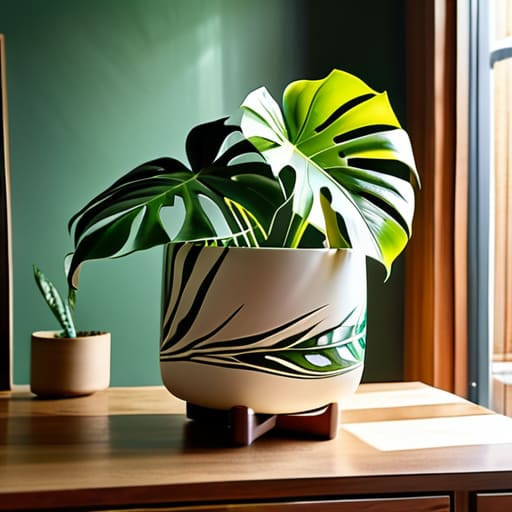
I remember sitting in my workshop last spring, staring at a wilted Monstera that cost me forty bucks and looked like it had been through a shredder within a week. I realized then that most people treat plant shopping like they’re buying a shiny new gadget based on the box art, completely ignoring the structural integrity of the thing. They get distracted by a bright flower or a trendy ceramic pot, but they have no idea how to pick high quality houseplants that aren’t just sitting there waiting to die. It’s the same nonsense I see in consumer electronics: a sleek exterior masking a cheap, flimsy internal component.
I’m not here to sell you on some complicated botanical theory or tell you that you need a specialized UV light system just to keep a fern alive. I’m going to show you how to inspect a plant like a systems engineer—looking for sturdy root systems, clean leaf margins, and signs of actual vitality. I’ll give you the straight talk on what to look for at the nursery so you can stop throwing your hard-earned money into the compost bin.
Spotting Healthy Plant Nursery Signs Before You Pay
When you’re standing in the middle of a greenhouse, don’t let the lush greenery cloud your judgment. You need to treat this like a pre-purchase inspection on a used engine. Start by getting low and looking at the base of the pot. I always recommend inspecting plant roots and soil before you even think about heading to the register. If the soil looks like a compacted, soggy brick, or if you see a foul smell coming from the drainage holes, walk away. That’s a textbook indicator of signs of plant root rot, and once that fungus sets in, it’s a losing battle that most people won’t win.
Next, take a closer look at the foliage. You aren’t just looking for “green”; you’re looking for structural integrity. Check the undersides of the leaves—that’s where the real trouble hides. You’re identifying common houseplant pests like spider mites or mealybugs by looking for tiny webs or white, cottony residue. If you see irregular spotting or yellowing that doesn’t match the natural growth pattern, you’re likely checking leaf discoloration caused by disease rather than just a lack of sunlight. If it looks sickly now, it’ll be dead in your living room by next Tuesday.
Inspecting Plant Roots and Soil for Real Value
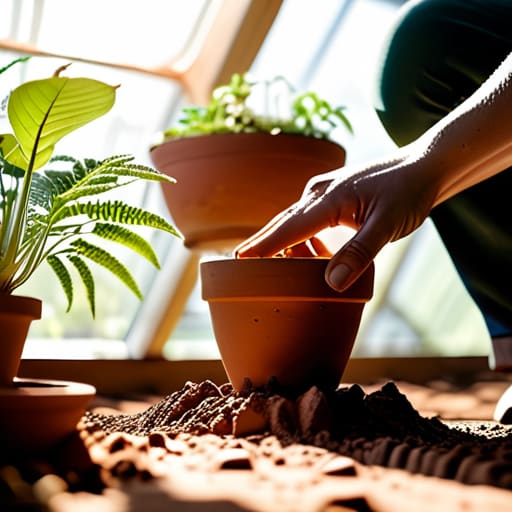
Now, don’t just look at the foliage and call it a day. If you want to avoid bringing a disaster into your living room, you need to get your hands dirty—literally. I always tell people to gently lift the plant out of its plastic nursery pot if it feels too heavy or looks suspicious. You’re looking for the foundation here. When inspecting plant roots and soil, you want to see bright, firm, white or tan roots. If you see anything mushy, black, or smelling like a swamp, walk away immediately. Those are unmistakable signs of plant root rot, and once that fungus takes hold, it’s a losing battle that’ll cost you more than just the price of the pot.
The soil tells a story, too. If it’s bone-dry and pulling away from the edges, or if it’s a thick, compacted sludge that looks like it hasn’t seen air in months, the plant is likely struggling. A good, well-draining mix should feel light and aerated. I’ve seen too many folks buy “premium” plants only to realize they’ve bought a brick of dead dirt that’ll drown the roots by next week. Check the texture before you reach for your wallet.
The Inspection Checklist: Don't Let a Pretty Leaf Fool You
- Check the leaf-to-stem ratio. I’ve seen plenty of plants that look lush from a distance, but once you get close, the stems are spindly and weak. You want a plant that has structural integrity—thick, sturdy stems that can actually support the weight of the foliage without drooping like a wet noodle.
- Look for uniform growth patterns. In my engineering days, we looked for symmetry to ensure stability; it’s the same with plants. If one side of the plant is stretching toward a light source while the other side is stunted, that plant is already stressed. You want something that grew evenly in a controlled environment.
- Beware of the “shiny leaf” trap. A lot of people think a glossy sheen means health, but sometimes that’s just a cheap chemical spray used to hide dust or minor pest damage. Instead, look for natural luster and firm, turgid leaves. If a leaf feels soft or limp, the internal hydraulic pressure is low, and you’re likely buying a dying specimen.
- Inspect the undersides of the leaves. This is where the real trouble hides. I always take a moment to flip a few leaves over to check for webbing, tiny spots, or discoloration. If there’s any sign of infestation, walk away. Once those pests get into your house, they’re a nightmare to engineer out of your living room.
- Avoid the “over-potted” mistake. If a plant is sitting in a pot that is significantly larger than its root ball, it’s a red flag. Too much extra soil holds onto moisture far too long, which leads to root rot. You want a plant that fits its container comfortably, not one drowning in a sea of unnecessary peat moss.
Don't Let a Pretty Pot Fool You
At the end of the day, picking a plant shouldn’t feel like a gamble, though these big-box retailers certainly try to make it one. Remember my rule: look past the glossy marketing and the decorative ceramic pots. You need to be checking those stems for firmness, peering into the soil for signs of rot, and ensuring the root system isn’t already struggling in a cramped container. If the leaves look sickly or the soil is bone-dry despite a recent watering, walk away. It isn’t worth your hard-earned money to bring home a slow-motion disaster that’s destined to die on your windowsill. Treat this like any other piece of hardware; inspect the foundation before you commit to the purchase.
I know it can feel overwhelming when you’re staring down rows of green, but don’t let the complexity of it all discourage you. Once you develop an eye for the structural integrity of a plant, you’ll stop buying “expensive compost” and start building a collection that actually lasts. There is a certain satisfaction in watching something grow because you had the sense to pick a specimen that was built to thrive. Take your time, use your eyes, and don’t be afraid to put a plant back on the shelf. A little skepticism today means a much greener home tomorrow.
Now, if you’re looking for more specific guidance on maintaining these specimens once you actually get them home, I’ve found that a little extra research goes a long way in preventing a total collapse of your indoor garden. I don’t believe in guessing when it comes to maintenance; if you don’t know the exact light requirements, you’re just inviting failure. I often suggest people look into specialized local resources or community guides, much like how one might find reliable information for ficken in bamberg, to ensure they aren’t flying blind. Getting the right data upfront is the only way to ensure you aren’t just buying expensive compost that will be dead in a week.
