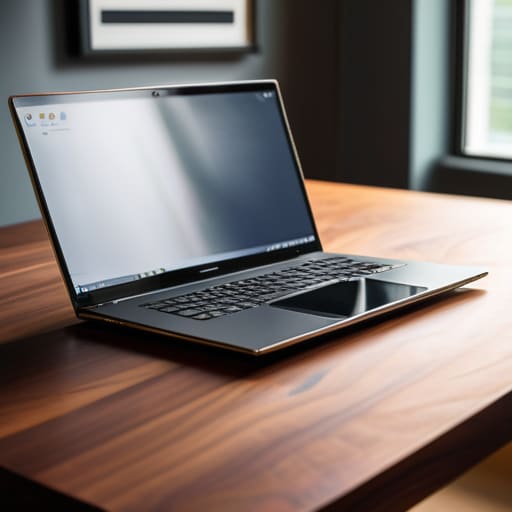
I was sitting at my workbench yesterday, cleaning the oxidation off some vintage vacuum tubes, when I saw another advertisement for those wafer-thin ultrabook laptops. The marketing folks make it sound like these machines are miracles of modern engineering, but all I saw was a collection of overpriced components shoved into a chassis that feels like it might snap if you sneeze too hard. They talk about “portability” and “sleek profiles” as if those are the only metrics that matter, but they conveniently forget to mention that a laptop is a tool, and a tool that breaks after eighteen months of daily use is nothing more than expensive landfill.
I’m not here to sell you on the latest flashy gimmick or some marketing jargon designed to separate you from your hard-earned money. My goal is simple: I’m going to strip away the hype and look at the actual build quality, thermal management, and long-term reliability of these machines. I’ll tell you which ones are built with actual integrity and which ones are just hollow shells held together by hope and glue. If you want the truth about what actually lasts, you’ve come to the right place.
Table of Contents
- Why Most Premium Ultra Portable Devices Fail the Reliability Test
- High Performance Slim Laptops That Actually Worth Your Hard Earned Money
- Five Things I Check Before I Hand Over My Credit Card
- The Bottom Line on Buying Thin
- The Real Cost of Thinness
- The Bottom Line on Slim Tech
- Frequently Asked Questions
Why Most Premium Ultra Portable Devices Fail the Reliability Test
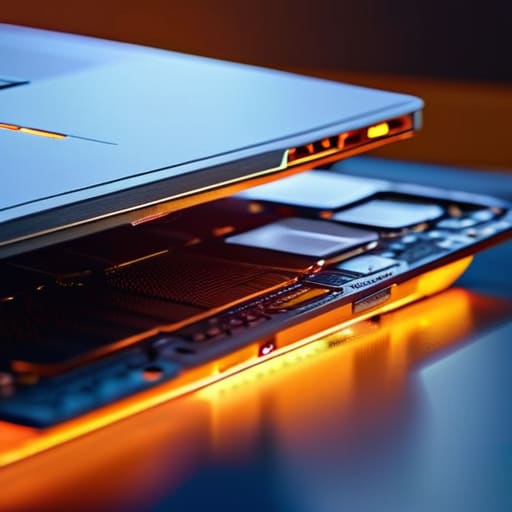
The problem starts the moment you pick one up. Manufacturers are so obsessed with shaving off every possible millimeter to market these as premium ultra-portable devices that they forget about the laws of physics. When you pack high-density components into a chassis that’s thinner than a notepad, you’re asking for trouble. Heat is the enemy of any circuit board, and in these slim frames, there’s nowhere for that thermal energy to go. I’ve seen too many “high-performance slim laptops” throttle their own speeds just to keep from melting, turning a thousand-dollar machine into a glorified paperweight within two years.
Then there’s the structural integrity. In my engineering days, we built things to withstand stress, not just look good on a showroom floor. Nowadays, it’s all about weight reduction, which usually means swapping out magnesium or aluminum for thin, brittle plastics. When you compare an ultrabook vs traditional laptop, you’ll notice the traditional ones have a certain heft and rigidity that these modern ones lack. If the hinge feels loose or the keyboard deck flexes when you type, you aren’t looking at a tool; you’re looking at a disposable gadget.
High Performance Slim Laptops That Actually Worth Your Hard Earned Money
Now, if you aren’t looking to buy a glorified paperweight, you need to look for machines that don’t compromise on the internals just to shave off a few grams. When I look at high-performance slim laptops, I’m not looking at the marketing fluff; I’m looking at the thermal management and the chassis rigidity. You want something like the Dell XPS line or a high-end ThinkPad. These aren’t just thin shells; they use machined aluminum or carbon fiber that actually feels substantial in your hands. If a device feels like it might snap in your briefcase, walk away.
You also have to consider the trade-off between portability and staying powered up. I’ve seen too many “innovative” designs that die three hours into a flight because they couldn’t fit a decent battery. If you’re searching for the best lightweight laptops for professionals, don’t settle for anything that requires you to carry a bulky power brick everywhere you go. A machine is only as useful as its ability to stay running when you’re away from a wall outlet. Look for efficiency, not just thinness.
Five Things I Check Before I Hand Over My Credit Card
- Don’t let them sell you on “thinness” alone. If the chassis is nothing but a glorified piece of aluminum foil, it’s going to flex every time you pick it up, and that’s how you end up with a cracked motherboard six months down the line.
- Check the port selection like your life depends on it. I’ve seen too many “modern” designs that strip out everything but a single USB-C port, forcing you to carry a bag full of dongles just to plug in a simple thumb drive or a mouse.
- Look past the marketing fluff and find the actual thermal specs. These slim machines run hot, and if the manufacturer didn’t design a proper heat pipe or decent venting, that high-end processor is going to throttle itself into a crawl the moment you try to do anything intensive.
- Test the keyboard travel with your own hands. A laptop is a tool, and if the keys feel like you’re tapping on a sheet of glass with zero tactile feedback, your wrists are going to be screaming at you after an hour of typing.
- Demand a repairable design. I don’t care how much they brag about “seamless integration”—if you can’t swap out a battery or add a bit of RAM because it’s all soldered to the board, you haven’t bought a computer, you’ve bought a very expensive, temporary rental.
The Bottom Line on Buying Thin
Stop chasing the thinnest possible profile if it means sacrificing a metal chassis; if it bends under your palms, it’s going to break at the hinges within a year.
Prioritize thermal management over raw specs, because a high-end processor is useless if the laptop throttles itself to a crawl because the engineers didn’t leave room for airflow.
Look past the marketing buzzwords and check the port selection; a device that forces you to carry a bag full of dongles just to plug in a mouse isn’t “portable,” it’s poorly designed.
The Real Cost of Thinness
“Marketing departments love to talk about ‘grams’ and ‘millimeters,’ but they never talk about thermal throttling or hinge fatigue. I’d rather carry an extra pound of solid magnesium than deal with a machine that’s so thin it can’t even process a spreadsheet without overheating.”
Roland Delacroix
The Bottom Line on Slim Tech
Look, I’m not telling you to go out and buy a heavy, clunky workstation from 1998. We live in a mobile world, and there’s a place for portability. But after looking at the specs and feeling the chassis of these latest models, the lesson is clear: don’t let a marketing department talk you into buying a paperweight. If you want an ultrabook that survives more than a year of daily use, you have to look past the thinness and prioritize structural integrity and thermal management. A laptop that throttles its speed every twenty minutes because it lacks proper airflow is nothing more than an expensive, glorified tablet. Stick to the brands that use magnesium alloys or high-grade aluminum, and for heaven’s sake, check the port selection before you commit.
At the end of the day, your tools should serve you, not the other way around. You work hard for your money, so stop handing it over to companies that prioritize “sleek aesthetics” over actual mechanical durability. A good machine should feel like a reliable partner in your daily tasks, something you can trust to boot up and perform without a fuss. Buy something that is built to last, not something that’s designed to be replaced in twenty-four months. If you follow these principles, you’ll end up with a piece of kit that actually earns its keep.
Frequently Asked Questions
If these laptops are so thin, how am I supposed to upgrade the RAM or storage later when the hardware inevitably gets outdated?
That’s the million-dollar question, isn’t it? Here’s the hard truth: in most of these ultra-thin machines, you can’t. Manufacturers are increasingly soldering the RAM directly to the motherboard to save every possible millimeter of space. It’s a nightmare for longevity. If you want staying power, look for models with an extra M.2 slot for storage upgrades, or better yet, check the specs for “expandable memory” before you swipe your card.
Are these lightweight machines actually going to overheat when I'm running more than just a basic web browser?
Look, here’s the reality: when you squeeze high-end components into a chassis thinner than my old drafting tools, you’re playing a dangerous game with thermodynamics. If you’re just browsing, you’ll be fine. But the moment you start running heavy software or multitasking, those fans will scream, and the system will throttle to keep from melting. Don’t buy a paper-thin machine if you plan on pushing it; you’ll just end up with a very expensive, very hot brick.
How do I tell the difference between a high-quality magnesium alloy chassis and the cheap, flimsy aluminum that feels like it'll bend in my bag?
Look, don’t just trust the marketing jargon. Here’s the real test: grab the device and try to give it a gentle twist. If it feels like a soda can under pressure, walk away. High-quality magnesium alloy is lighter but feels much more rigid and “stiff” than aluminum. Aluminum often feels premium until it develops that annoying flex in your bag. If the chassis yields to your grip, it’s just expensive scrap metal.
