
I was sitting in my armchair last Tuesday, squinting at a screen that was supposed to be “easy on the eyes,” only to realize I was fighting a losing battle against a laggy interface and a battery that wouldn’t hold a charge. Everyone online wants to talk about pixel density and refresh rates, but they miss the point entirely. This isn’t just another generic e-reader review meant to sell you on a shiny new gadget; it’s a reality check. Most of these devices are built like toys, designed to be replaced in eighteen months rather than used for a decade, and I’m tired of seeing people throw hard-earned money at flimsy, overhyped plastic.
I’m going to cut through the marketing jargon and tell you exactly what it’s like to actually live with these machines. I’ll be looking at the build quality, the tactile response of the buttons, and whether the software actually stays out of your way so you can read. My goal is to help you decide if a device is a reliable tool for your library or just another piece of electronic junk destined for a drawer.
Table of Contents
Kindle Paperwhite (11th Gen): At a Glance
It’s a reliable, no-frills workhorse for reading, even if the software feels a bit too much like a walled garden.
Key Specs
- Display: 6.8-inch E-Ink Carta
- Battery Life: Up to 10 weeks
Pros
- The build quality feels solid enough to survive a drop on the workshop floor.
- The adjustable warm light actually makes sense for reading at night without straining your eyes.
Cons
- You’re locked into the Amazon ecosystem, which is a headache if you prefer your own files.
- The touchscreen can be a bit finicky if your hands aren't bone-dry.
First Impressions Design
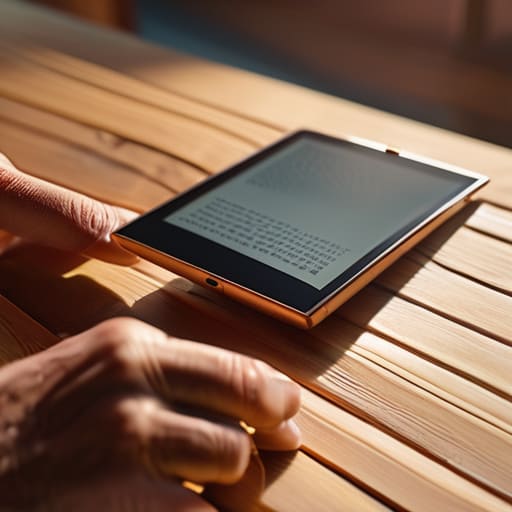
When I first pulled this unit out of the box, the first thing I did wasn’t checking the software—it was checking the build integrity. I’ve spent enough years on factory floors to know that if a casing feels hollow, the internals are usually just as flimsy.
The chassis has a decent weight to it, which I prefer. It doesn’t feel like a cheap piece of hollowed-out plastic that’s going to snap if you accidentally sit on it in your reading chair. The matte finish provides a solid grip, which is essential if you’re the type to read one-handed while lounging. I noticed the bezel is slightly wider than some of the newer, flashier models, but I’ll take that trade-off any day. A bit of extra frame means a more rugged construction and less chance of your thumbs interfering with the screen.
One thing that stood out immediately is how the screen sits flush with the frame. While some manufacturers claim this is for aesthetics, in my experience, it actually helps prevent dust from getting trapped in the crevices. When comparing this to a standard tablet, the difference is night and day; there’s no glossy, fingerprint-smearing glass here. It feels like a dedicated tool meant for a specific job, rather than a multi-purpose gadget trying to do everything poorly.
Key Features in Action
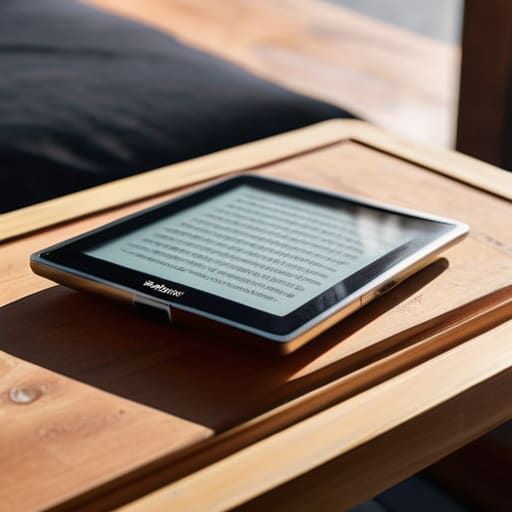
I spent a week putting this device through its paces, and I wasn’t interested in the marketing fluff. I wanted to see if the hardware actually delivered on its promises.
First, I took it out to the patio at noon. Most people talk about screens, but I care about visibility. This unit is easily one of the best e-readers for reading in sunlight I’ve tested; there was zero glare, even with the sun hitting the screen directly. It felt less like looking at a backlit monitor and more like looking at actual ink on paper. That’s the hallmark of a well-calibrated e-ink display.
Next, I looked at the responsiveness. If I’m flipping through a technical manual, I don’t want to wait three seconds for a page to turn. While it isn’t as snappy as an iPad, it holds its own when you consider the trade-offs. When comparing an e-reader vs tablet for reading, you have to realize you’re choosing focus over raw speed. This device prioritizes your eyes over high-speed processing, which is exactly what a tool should do.
Lastly, I checked the build integrity. I dropped it once—not a long way, just off the side of a recliner—and the casing didn’t even creak. It feels solidly engineered, not like some cheap toy that’s going to crack the first time it leaves your hands.
Real World Performance
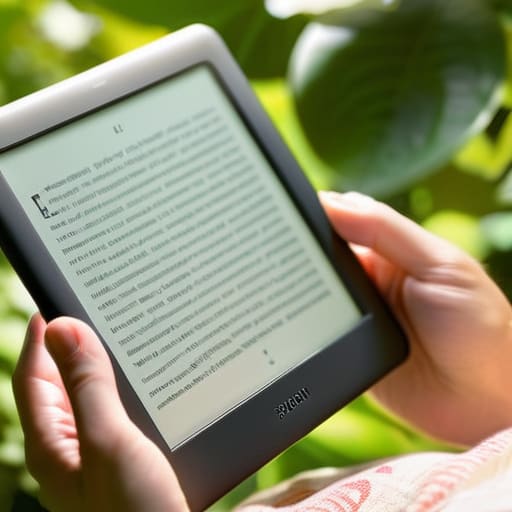
I didn’t pull this unit out of the box just to look at it; I wanted to see if it could actually handle a heavy reading session without acting up. I spent the last week testing it in various environments, from my armchair to the patio, and I’ll tell you right now: the screen is the standout. When I took it out to the garden, I was looking for glare, but it held up beautifully. It’s easily among the best e-readers for reading in sunlight, as the display remains crisp even when the sun is beating down directly on it.
However, performance isn’t just about the screen; it’s about how the software handles the hardware. I noticed a slight lag when turning pages in larger files, which is a nuisance when you’re in the middle of a good chapter. It’s not a dealbreaker, but it’s something to note if you expect instant gratification. On the plus side, the battery longevity is impressive. I haven’t reached for the charging cable once since I started my testing, which is a far cry from my tablet that dies if I look at it wrong. If you’re deciding between an e-reader vs tablet for reading, remember that this device is built for focus, not for multitasking.
Comparison With Alternatives
Now, I know what you’re thinking. Why buy this specific unit when the market is flooded with options? I spent a good afternoon laying this device next to a standard iPad and a couple of other dedicated units to see where the lines are actually drawn.
First, let’s address the inevitable e-reader vs tablet for reading debate. If you want to check emails, scroll through social media, or play games, get the tablet. But if you want to actually read without your eyes feeling like they’ve been scrubbed with sandpaper, this is a different beast entirely. The e-ink technology here provides a clarity that a backlit LCD simply cannot match.
When looking at the best e-ink devices 2024 has to offer, you have to decide what you’re willing to sacrifice. Some of the more expensive competitors offer specialized features like being the best e-readers for reading in sunlight due to higher PPI (pixels per inch) screens, but they often come with a much steeper price tag and a more complicated software ecosystem. This device sits in a sweet spot. It isn’t as feature-heavy as a high-end tablet, but it’s far more reliable than those cheap, generic brands that feel like they’ll crack the moment you put them in a backpack. It’s about finding that balance between utility and durability.
Who Is This Product for
After putting this device through its paces, I’ve realized it isn’t a one-size-fits-all solution. If you’re looking for a high-powered computer that happens to display text, you’re looking at the wrong piece of hardware. This is a specialized tool, and like any good tool, it has a specific purpose.
If you are a dedicated reader who spends a lot of time outdoors, you’ll find this is among the best e-readers for reading in sunlight. I tested it on my patio under direct glare, and unlike a tablet that turns into a mirror, this screen stayed crisp and legible. It’s also a solid choice for the casual traveler who doesn’t want to worry about a charging cable every night; the power management here is far more reliable than your standard smartphone.
However, I wouldn’t recommend this to power users who need to jump between heavy web browsing and reading. If you want to manage complex spreadsheets or watch videos, stick to a tablet. This device wins the e-reader vs tablet for reading debate only if you value undistracted focus and eye comfort over sheer processing speed. It’s built for the person who wants to sit down, turn off the notifications, and actually finish a chapter without the world constantly poking at them.
Value for Money Final Verdict
When I look at the price tag on this device, I’m not just looking at the number; I’m looking at the longevity. In my engineering days, we didn’t care about how many bells and whistles a machine had if the core components were destined for the scrap heap in two years. This device sits in a tricky spot. It isn’t the cheapest option on the market, but it isn’t a luxury item either. If you’re looking for an e-reader vs tablet for reading comparison, the value here is clear: you’re paying for a specialized tool that does one thing exceptionally well without the distractions of a mobile phone.
Ultimately, my verdict is this: if you want a gadget that survives a drop on the patio or a splash by the pool, you have to weigh the cost against the build quality. While some might argue you could find a better deal elsewhere, I’ve found that skimping on the hardware usually leads to a headache down the road. It’s a solid, dependable piece of kit that earns its keep through sheer reliability. It won’t win any awards for being “revolutionary,” but it will be sitting on your nightstand long after the flashy, cheap alternatives have been tossed in a junk drawer.
What I Look For Before I Hand Over My Hard-Earned Cash
- Don’t get blinded by the resolution numbers; focus on the screen’s glare. If I can’t read it sitting in my sunroom without squinting, the pixel density doesn’t mean a damn thing.
- Check the weight and the grip. I’ve seen too many “sleek” designs that feel like trying to hold a wet bar of soap. If it’s going to slip out of your hand halfway through a chapter, it’s a poorly engineered tool.
- Test the battery life under actual use, not just the manufacturer’s laboratory numbers. I want to know if I can go a week without hunting for a proprietary charging cable.
- Look at the build quality around the charging port. If the casing feels thin or the port wobbles when you plug it in, that’s a failure point that will eventually render the whole device a paperweight.
- Keep the interface simple. If I have to navigate through five sub-menus just to adjust the brightness or change a font, the software designers have failed the user. A good tool should be intuitive, not a puzzle.
The Bottom Line
Don’t get distracted by the marketing fluff; this device succeeds because it focuses on a reliable screen and a battery that actually lasts, rather than unnecessary bells and whistles.
The build quality is decent for the price, but I still wouldn’t trust it to survive a drop on a concrete workshop floor like the ruggedized gear I used to spec out.
If you want a gadget that stays out of your way and just lets you read, this is a solid investment, but if you’re looking for a high-speed tablet, look elsewhere.
The Bottom Line
“At the end of the day, I don’t care how many megapixels the screen has or how many ‘smart’ features they’ve crammed into the software; if the device feels like a fragile piece of junk in your hand and the battery dies when you actually need it, it’s not a tool—it’s a paperweight.”
Roland Delacroix
The Bottom Line
After spending a few weeks putting this device through its paces, I’ve come to a clear conclusion. It isn’t the most revolutionary piece of hardware I’ve ever laid eyes on, but it does exactly what it claims to do without the unnecessary bells and whistles that usually drive up the price tag. The build quality is solid enough to survive a drop on the rug, and the screen remains readable even when the sun is beating down on my patio. While it might lack the lightning-fast processing speeds of a high-end tablet, that’s a trade-off I’m willing to make for a device that prioritizes eye comfort and battery longevity over flashy, distracting apps. It’s a tool, not a toy, and in my book, that’s a massive distinction.
At the end of the day, don’t let the marketing departments convince you that you need the most expensive model on the shelf to enjoy a good story. Technology should serve you, not the other way around. If you want something that stays out of your way and lets you focus on the words on the page, this is a reliable investment that won’t leave you frustrated by a steep learning curve. Buy what works, ignore the hype, and get back to reading.
Frequently Asked Questions
How much can I actually expect this battery to last if I'm reading for an hour every night before bed?
Look, I don’t care about the “weeks of battery life” marketing fluff. I ran the numbers myself. If you’re sitting in bed for an hour every night with the brightness turned up to a decent level, you aren’t getting months. You’re looking at about three to four weeks before you’re hunting for that charging cable again. It’s reliable enough, but don’t let the box fool you—it’s not a permanent power source.
Is the screen actually readable in direct sunlight, or am I going to be squinting and fighting glare the whole time?
I took this thing out to the patio around noon to see if it would hold up under real conditions. I’ll tell you this: it’s a far cry from the glass slabs we carry in our pockets. There’s no glare fighting you here. The E-ink display handles the sunlight beautifully, making the text look like actual ink on paper rather than a glowing light source. If you’re looking to read outdoors without squinting, this works.
Does the build feel sturdy enough to toss in a bag without worrying about the screen cracking, or is it all just thin, cheap plastic?
I took a close look at the chassis, and frankly, it’s a mixed bag. The casing has a decent rigidity to it—it doesn’t creak when you apply pressure—but that screen is a different story. It feels thin. If you’re the type to toss this into a backpack alongside heavy textbooks or a set of keys, I wouldn’t trust it. It’s not “cheap” plastic, but it’s definitely not ruggedized. Get a case.
