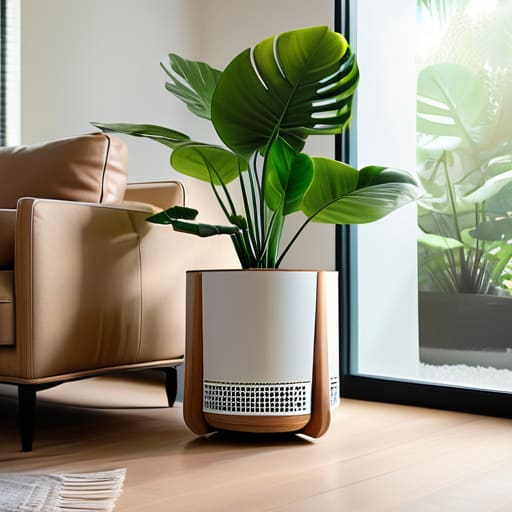
I spent thirty years in manufacturing, where if a machine didn’t do exactly what the schematics promised, you threw it off the floor. Lately, I’ve been seeing the same thing in the consumer market: a mountain of overpriced, plastic junk marketed with enough buzzwords to make your head spin. Most people think they need a smart-device with a Wi-Fi connection and a subscription service just to breathe better, but that’s nonsense. When you strip away the marketing fluff, the actual air purifier benefits have nothing to do with how many apps can control the machine and everything to do with mechanical efficiency and airflow.
I’m not here to sell you on a lifestyle or a fancy interface that requires a software update just to turn on. My goal is to cut through the noise and tell you what actually moves air and traps particles. I’m going to break down what you should actually look for in terms of filtration and build quality so you can stop throwing money at expensive plastic gadgets. I promise to give you the straight truth on what works, what’s a gimmick, and how to pick a machine that’s built to last.
Table of Contents
Hepa Filtration Efficiency That Actually Works
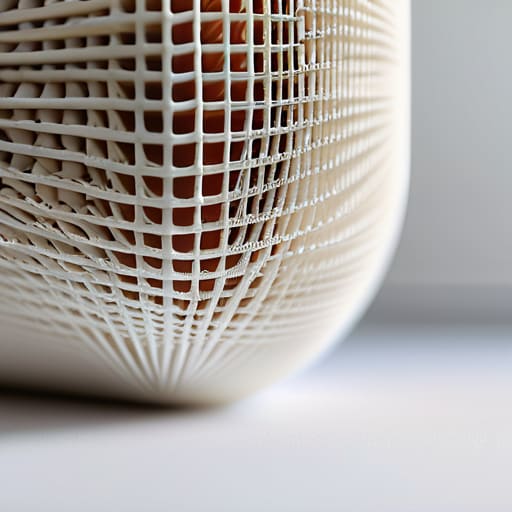
When you’re looking at the spec sheet, don’t let the marketing department dazzle you with flashy LED displays or smartphone integration. Most of that is just window dressing. If you want to know if a machine is worth the floor space, you look at the filter. I’ve seen far too many manufacturers claim they have “advanced filtration” when, in reality, they’re just running air through a thin layer of cheap mesh. You need to look for a true HEPA filter. That’s the gold standard for HEPA filtration efficiency, and it’s the only way you’re going to see any real results when it comes to indoor air pollutant removal.
A real HEPA filter isn’t just a suggestion; it’s a mechanical necessity if you’re trying to trap particles like pollen or pet dander. I’ve spent enough time with my calipers and micrometers to know that if the seal around that filter isn’t airtight, the air is just going to take the path of least resistance and bypass the media entirely. You aren’t just buying a gadget; you’re buying a system that needs to be built to last. If the unit can’t maintain a tight seal, all that expensive technology is nothing more than a glorified desk fan.
Indoor Air Pollutant Removal Without the Gimmicks
Most manufacturers will try to sell you on “smart” features that do little more than ping your phone every time a dust mote drifts by. I’ve seen enough sensor data in my time to know that smart air quality monitoring is often just a way to charge an extra hundred dollars for a blinking LED. If you want real results, you need to look past the digital interface and focus on the actual mechanism of indoor air pollutant removal. You aren’t looking for a gadget that talks to your Wi-Fi; you’re looking for a machine that moves enough cubic feet of air per minute to actually scrub the environment.
The real goal here is improving respiratory health by targeting the stuff you can’t always see. We aren’t just talking about pet dander or pollen; a decent unit should be capable of removing volatile organic compounds—those nasty chemical smells from new furniture or cleaning supplies—that linger in your living room. Don’t get distracted by flashy ionizers or ozone generators that claim to “clean” the air with lightning bolts. Those are often just expensive gimmicks. Stick to solid mechanical filtration that does the heavy lifting without the theatrical nonsense.
Five Things to Look For Before You Open Your Wallet
- Check the CADR rating, not the marketing fluff. Clean Air Delivery Rate (CADR) tells you how much air the machine actually moves; if a manufacturer won’t list it, they’re hiding something.
- Don’t get fooled by “ionizers” that claim to clean the air with magic. They often pump ozone into your living room, and I’ve never seen a machine with ozone that didn’t come with a massive warning label.
- Look at the filter replacement cost before you buy the unit. I’ve seen plenty of “bargain” machines that end up costing a fortune because the proprietary filters are priced like premium steak.
- Make sure the machine has a physical button for basic functions. I don’t care how many smartphone apps a device has; if I can’t turn it on or change the fan speed without a software update, it’s a headache, not a tool.
- Size matters—and I mean the room size, not the machine’s footprint. A small, cheap unit running at max speed in a large living room is just a noisy, expensive paperweight that won’t move enough air to make a dent.
The Bottom Line: Don't Get Fooled by the Marketing
Stop looking at the flashy LED displays and app connectivity; if the unit doesn’t have a certified HEPA filter, it’s just an expensive fan blowing dust around your living room.
Check the CADR (Clean Air Delivery Rate) instead of the “smart” features, because a high delivery rate is the only metric that actually proves the machine can clear a room in a reasonable timeframe.
Budget for the long term by checking the cost and availability of replacement filters before you buy, because a machine is useless if you can’t maintain it without spending a fortune every six months.
The Truth About Clean Air
Most of these manufacturers will try to sell you a smart device with a glowing LED screen and a smartphone app, but let’s be clear: a sensor that tells you your air is bad isn’t the same thing as a machine that actually fixes it. You don’t need a computer to clean your lungs; you just need a heavy-duty motor and a filter that isn’t made of cheap, porous paper.
Roland Delacroix
The Bottom Line
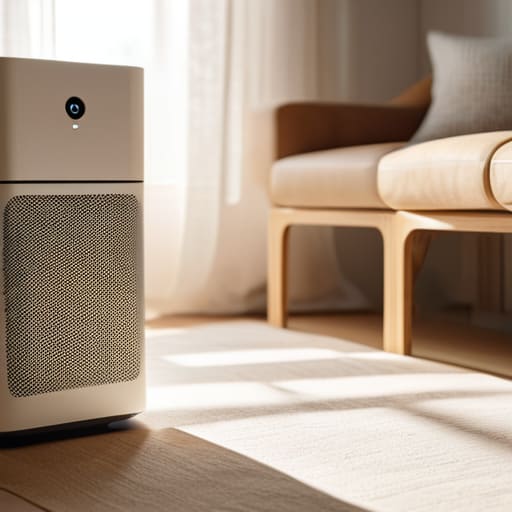
Look, at the end of the day, an air purifier isn’t some magical life-extending machine; it’s a piece of mechanical equipment designed to do one job: move air through a filter. If you’ve been paying attention, you know that a real benefit comes from finding a unit with certified HEPA filtration and a motor that doesn’t sound like a jet engine taking off in your living room. You don’t need a smart-app-enabled, Wi-Fi-connected, color-coded LED display to tell you what you already know. You need a machine that clears out the dust, dander, and pollutants without requiring a monthly subscription to a cloud service just to keep the fan spinning.
My advice is simple: stop looking at the flashy marketing and start looking at the specs. Invest in something with solid build quality and replaceable filters that don’t cost a fortune. When you buy a tool that is built to last and performs exactly as advertised, you aren’t just buying a gadget—you’re investing in the reliability of your own home environment. Don’t let the industry trick you into buying expensive plastic; buy something that actually works and let it do its job so you can get back to living your life.
Frequently Asked Questions
How much electricity is this thing actually going to pull from my outlet if I run it 24/7?
Look, don’t let those glossy brochures scare you. Most decent purifiers pull about 30 to 50 watts on a medium setting. If you run a standard unit 24/7, you’re looking at roughly 25 to 40 kWh a month. Depending on your local utility rates, that’s probably the cost of a couple of cups of coffee. Just check the sticker on the back for the actual wattage; don’t trust the marketing fluff.
Is a HEPA filter really worth the extra cost, or is it just marketing fluff to get me to spend more?
Look, I’ve seen enough “innovative” marketing in my time to know when I’m being sold a bill of goods. But when it comes to HEPA, it isn’t fluff. It’s physics. A standard mesh filter might catch the big stuff, like cat hair, but it won’t touch the microscopic particles that actually irritate your lungs. If you want something that actually scrubs the air instead of just moving it around, pay the premium for a true HEPA filter. It’s worth it.
How often am I actually going to have to swap out these filters, and how much is that going to cost me in the long run?
Here’s the truth: manufacturers love to bury the real costs in the fine print. Most decent units require a new HEPA filter every six to twelve months, depending on how much dust your house actually pulls in. Don’t get tricked by a cheap machine with a low upfront price tag; if the replacement filters cost half as much as the unit itself, you’re being fleeced. Check the filter pricing before you swipe your card.
