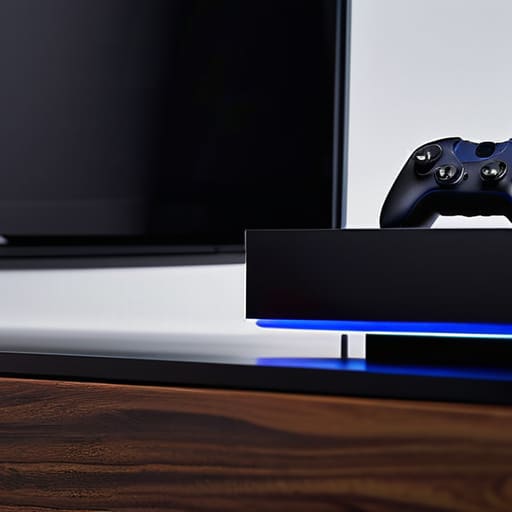
I was sitting at my workbench last Tuesday, tinkering with a vintage Marantz receiver, when I realized just how much the industry has changed. I looked over at the new generation of gaming consoles sitting on my shelf, and frankly, I felt a bit of a headache coming on. These companies spend billions on flashy advertisements and “next-gen” buzzwords, but they seem to have forgotten the most basic principle of engineering: durability. You’re being sold these sleek, high-tech marvels that look great in a commercial, but half the time they feel like they’re held together by nothing more than hope and cheap, lightweight plastic.
I’m not here to tell you which machine has the prettiest graphics or the most expensive subscription service. My goal is to cut through the marketing fluff and look at the actual hardware. I’ll be evaluating these systems based on how they actually perform over time, their build quality, and whether they are worth the steep price tag they’re slapping on them. If you want a breakdown of what is a solid piece of machinery and what is just overpriced junk, you’ve come to the right place.
Table of Contents
Real Next Gen Gaming Performance vs Marketing Lies

When you look at the glossy brochures, they promise a revolution. They’ll throw around terms like “ray tracing” and “instant loading” to make you think you’re buying a piece of the future. But as someone who spent decades looking at actual blueprints, I’ve learned to look past the adjectives. Most of what they call next-gen gaming performance is really just a incremental bump in processing power that you won’t even notice unless you’re sitting in front of a high-end monitor. They want you to believe the jump is massive, but often, it’s just a more efficient way to move data around.
The real issue is the gap between these marketing promises and your actual living room setup. You can buy a machine with impressive 4K gaming capabilities, but if your television is five years old or your internet connection is spotty, that expensive hardware is just sitting there idling. It’s a classic case of selling a high-performance engine to someone who only intends to drive in a school zone. Before you open your wallet, stop looking at the renders and start asking if the hardware actually delivers a consistent, stable experience without overheating or dropping frames when things get intense.
Console Hardware Comparison What Truly Lasts
When I look at a modern console, I don’t see a miracle of engineering; I see a collection of components that are increasingly difficult to repair. In my day, if a capacitor blew, you swapped it out and moved on. Today, manufacturers seem intent on sealing everything behind proprietary screws and glue. During my recent console hardware comparison, I noticed a troubling trend: the more “sleek” the chassis looks, the more likely it is to trap heat like an oven. If you can’t feel a decent amount of airflow coming from the vents, you’re looking at a device that will throttle its own power just to keep from melting its internal circuitry.
You also need to consider the long-term utility of the hardware, specifically regarding digital vs physical media. We are moving toward a world where you don’t actually own anything; you just license it. I’ve seen too many people spend a premium on hardware only to find that their library is tethered to a single, fragile account. If you want longevity, look for systems that still respect the physical disc. It’s the only way to ensure your investment doesn’t become a paperweight the moment a server goes dark.
Five Things to Check Before You Open the Box
- Don’t get blinded by the teraflop numbers on the box. A high number on a spec sheet doesn’t mean a thing if the cooling system is poorly designed and the machine throttles itself after twenty minutes of play.
- Look at the ports and the build. If the casing feels like a cheap toy and the connection points look flimsy, it’s going to be a headache to maintain or upgrade in a couple of years.
- Check the storage reality. Manufacturers love to brag about “high-speed SSDs,” but they often hide the fact that the usable space is much smaller than advertised once the operating system takes its cut.
- Consider the heat dissipation. If you’re tucking this thing into a cramped media cabinet, make sure it actually has the airflow required to stay cool, or you’re just asking for a hardware failure.
- Demand a physical manual or at least clear, logical menus. If you need a PhD and a stable Wi-Fi connection just to navigate the basic settings, the engineers failed the user.
The Bottom Line: Don't Get Fooled by the Box
Stop reading the spec sheets for a second and look at the cooling systems; if the console is designed to run hot in a closed cabinet, it’s a ticking time bomb for hardware failure.
Prioritize library depth over raw teraflops, because a powerful machine is just a paperweight if there aren’t any reliable, well-optimized games to run on it.
Always check the build materials and port durability before you swipe your card; if the controller feels like a cheap toy, the internal components usually aren’t much better.
The Bottom Line on Hardware
I don’t care how many teraflops a manufacturer promises on the box; if the cooling system is an afterthought and the casing is made of cheap, brittle plastic, that machine is going to be a paperweight in three years.
Roland Delacroix
The Bottom Line
At the end of the day, don’t let the glossy brochures and the “teraflop” numbers confuse you. We’ve looked at how the marketing teams try to sell you on raw power that often results in nothing more than a loud fan and a hot chassis. I’ve seen enough hardware in my time to know that a console is only as good as its thermal management and its ability to actually run software without a hitch. If you’re looking for longevity, focus on the build quality and cooling systems rather than the flashy frame rates promised in the trailers. You want a machine that stays quiet and reliable, not one that turns into an expensive space heater after two hours of play.
Buying a new console shouldn’t feel like you’re gambling with your hard-earned money. Take your time, read the actual technical specs instead of the hype, and remember that reliability is the ultimate luxury. You deserve a piece of kit that works every single time you press the power button, without requiring a software patch just to get through the main menu. Go out there, find the machine that actually holds up to scrutiny, and enjoy your downtime without the headache of flimsy, overpriced plastic.
Frequently Asked Questions
Are these new consoles actually built to last, or am I just buying a glorified paperweight that'll overheat in two years?
Look, I’ve seen this cycle before. Manufacturers cram high-performance chips into cramped, poorly ventilated chassis to save on production costs, and you’re the one who pays the price when the thermal paste dries up or the fan dies. Most of these units are built with “planned obsolescence” in mind. If you want it to last, keep it in a well-ventilated area and don’t let it choke on dust. Otherwise, you’re just buying a ticking clock.
Is it worth paying the premium for the latest high-end model, or can I get better value out of the older hardware?
Look, if you’re just looking to unwind after work, don’t fall for the “latest and greatest” trap. The premium you pay for a brand-new flagship often goes toward unproven features and fancy aesthetics rather than actual durability. I’ve seen enough hardware to know that the previous generation is usually more stable and significantly more cost-effective. Unless you absolutely need specific cutting-edge specs for professional work, buy the older, proven hardware. It’s better value for your wallet and your sanity.
How much of this "next-gen" performance is actually visible to the naked eye, and how much is just marketing fluff?
Look, if you’re sitting on a decent 1080p monitor, you’re mostly paying for marketing fluff. You’ll see a bit more detail in textures and smoother frame rates, sure, but the jump isn’t life-changing. The real difference only shows up if you’ve invested in a high-end 4K television. Otherwise, you’re just paying a premium for theoretical math that your eyes can’t even register. Don’t let them sell you on “power” you can’t actually see.
