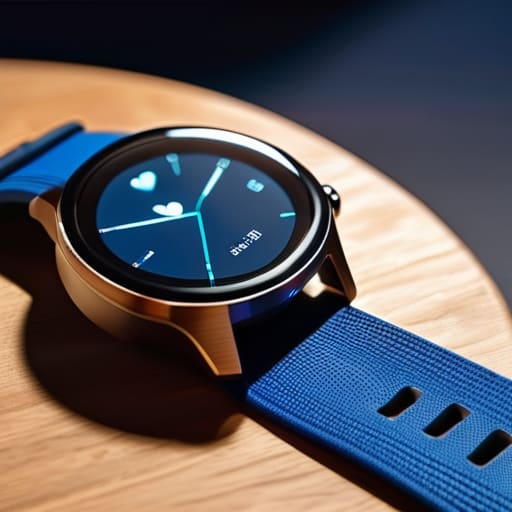
I was sitting in my workshop last Tuesday, cleaning the dust off an old Marantz receiver, when my nephew tried to sell me on this new “essential” wearable. He kept droning on about apps and cellular connectivity, but all I saw was a glorified, fragile computer strapped to a wrist. It got me thinking about how much money people throw away trying to keep up with every shiny new gadget that hits the shelf. When you’re staring down the choice between a fitness band vs smartwatch, it’s easy to get lost in the marketing fluff and end up with a piece of expensive plastic that dies before dinner.
I’m not here to sell you on the latest trend or tell you that you need a miniature supercomputer just to count your steps. My goal is simple: I want to help you figure out which device is actually built to last and do its job without constant tinkering. I’ve spent my career looking at how things are put together, and I’m going to tell you exactly what’s worth your hard-earned cash and what is just overpriced junk. Let’s get down to the brass tacks.
Table of Contents
The Fitness Band
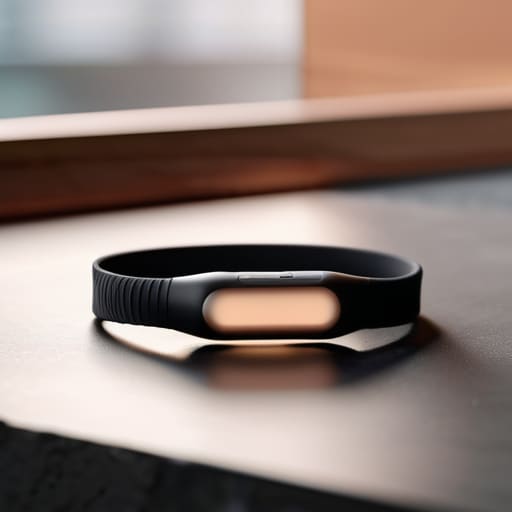
A fitness band is a streamlined wearable device designed primarily to monitor physical activity through specialized sensors. These units focus on tracking metrics like heart rate, sleep patterns, and step counts, offering a minimalist approach to health monitoring without the clutter of extra features.
I’ve spent enough time looking at schematics to know that sometimes, less is actually more. When you’re out on a walk or just trying to keep an eye on your vitals, you don’t need a miniature computer strapped to your wrist screaming at you with notifications. A fitness band works because it does one job well without draining a battery in six hours. It’s about getting the data you need to stay healthy without the unnecessary overhead of a complex operating system that’s bound to glitch.
The Smartwatch
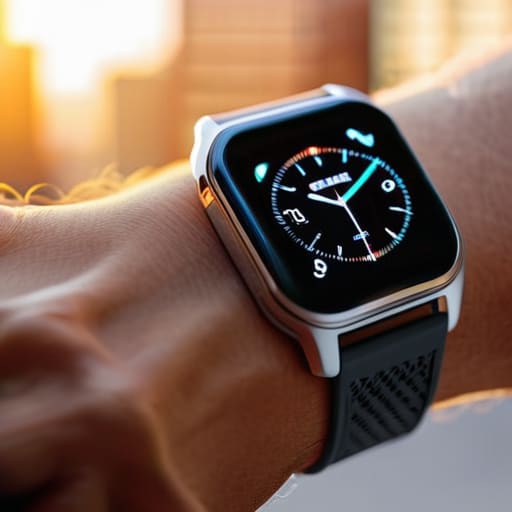
A smartwatch is essentially a high-performance computer housed in a wrist-worn chassis, capable of running complex applications and managing digital communications. Its main selling point is its unmatched versatility, acting as an extension of your smartphone by handling everything from GPS navigation to mobile payments.
Now, don’t get me wrong, the engineering behind these little powerhouses is impressive, but they can be a bit much. A smartwatch is for the person who wants their entire digital life accessible at a glance, but it comes at a cost of constant maintenance. You aren’t just wearing a tool; you’re managing a device that requires regular charging and software updates just to keep it functional. It’s a powerful piece of hardware, provided you have the patience to deal with the complexity that comes with it.
Comparison of Wearable Devices
| Feature | Fitness Band | Smartwatch | |
|---|---|---|---|
| Primary Purpose | Activity & health tracking | Multifunctional connectivity | N/A |
| Display Type | Small, simple LED/OLED | Large, high-res touchscreen | N/A |
| Battery Life | Long (7-14+ days) | Short (1-3 days) | N/A |
| Smart Features | Limited notifications | Full apps, calls, & texts | N/A |
| Price Point | Budget-friendly | Premium/Expensive | N/A |
| Form Factor | Slim & lightweight | Bulky & substantial | N/A |
| Best For | Dedicated athletes/minimalists | Tech enthusiasts/productivity | N/A |
Smartwatch vs Fitness Tracker Features What Actually Matters
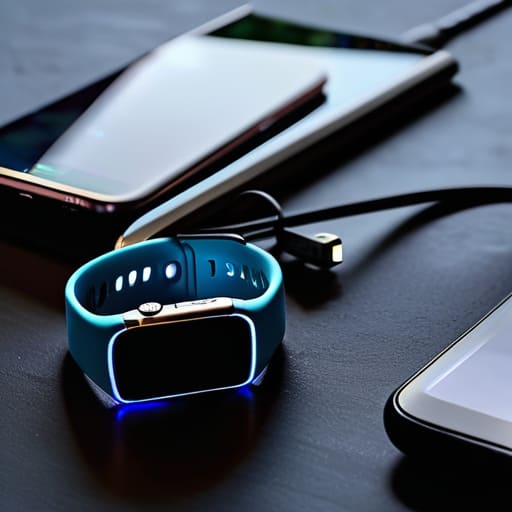
When you’re looking at these two, you have to look past the shiny marketing and ask one question: do you actually need all those bells and whistles? It’s easy to get distracted by a screen that looks like a miniature smartphone, but if you’re just trying to monitor your heart rate or sleep cycles, half those features are nothing more than expensive distractions that will end up draining your battery before lunch.
A smartwatch is essentially a computer strapped to your wrist. It’ll handle your emails, take calls, and run third-party apps, but that complexity comes at a cost. You’re trading longevity and simplicity for unnecessary processing power. On the other hand, a fitness band is a single-purpose tool. It does one job—tracking your vitals—and it does it with a level of reliability that these over-engineered smartwatches often lack.
If you want a digital assistant that constantly pings you with notifications, the smartwatch wins. But if you want a device that actually stays out of your way while you’re living your life, the fitness band is the clear winner for pure utility.
Health Monitoring Capabilities Separating Science From Gimmicks
Look, I’ve spent enough time looking at schematics to know that a sensor is only as good as the math behind it. When you’re looking at these gadgets, you aren’t just buying a shiny screen; you’re buying a piece of equipment that claims to monitor your vitals. If you can’t trust the data, you’re essentially paying for a high-tech paperweight that gives you nothing but false peace of mind.
Smartwatches are the heavy hitters here. Because they have more processing power and better sensor arrays, they can handle complex tasks like ECG readings or blood oxygen monitoring with decent accuracy. They are built for the person who wants a comprehensive health dashboard on their wrist. On the other hand, most fitness bands are stripped-down versions. They’ll give you your heart rate and steps, but don’t expect them to perform any sophisticated medical-grade analysis. They are fine for general trends, but they lack the depth required for serious monitoring.
If you want a device that actually attempts to understand what’s happening inside your body, the smartwatch is the clear winner. Just don’t treat it like a doctor.
The Bottom Line: Don't Get Sold a Gimmick
If you just want to track your steps and sleep without a device constantly buzzing your wrist and demanding a daily charge, buy a fitness band. It’s simple, it works, and it doesn’t try to be more than it is.
Only spring for a smartwatch if you actually need the connectivity—like answering calls or checking texts on the fly. If you aren’t going to use those features, you’re just paying extra for a fragile screen that’ll be obsolete in two years.
Look past the marketing jargon and check the sensor reliability. A device that gives you a hundred different “wellness scores” is useless if the basic heart rate and step data are inconsistent; stick to the hardware that prioritizes accuracy over flashy animations.
## The Bottom Line on Value
“Most people think they need a miniature computer strapped to their wrist just to count their steps, but half the time, you’re just paying a premium for a glorified notification center that’ll be obsolete in two years. If you want data that works, buy a tool; if you want a distraction, buy a smartwatch.”
Roland Delacroix
The Bottom Line
At the end of the day, you have to decide if you want a Swiss Army knife or a dedicated screwdriver. If you’re looking for a device that stays out of your way and simply does its job—tracking steps, heart rate, and sleep without requiring a daily recharge—get a fitness band. It’s a tool, plain and simple. But, if you find yourself needing to manage calls, respond to emails, or navigate menus on a bright screen, you’re going to need that smartwatch. Just don’t forget that the more “features” they cram into a tiny piece of hardware, the more likely you are to deal with software glitches and a battery that dies before your workday is even finished. Don’t buy into the hype; buy based on your actual daily requirements.
I’ve spent enough time looking at blueprints to know that complexity often leads to failure. My advice? Don’t let the marketing departments convince you that you need every bell and whistle just to stay healthy. Whether you choose a rugged tracker or a high-end smartwatch, make sure it’s something you’ll actually wear every single day. A piece of technology is only useful if it’s reliable enough to become a part of your routine. Buy something that works, keep it simple, and stop overpaying for features you’ll never use.
Frequently Asked Questions
If I'm just looking to track my heart rate and sleep, is there any real reason to pay the premium for a smartwatch?
Look, if your only goal is monitoring your heart rate and sleep patterns, then no—there is absolutely no reason to pay that smartwatch premium. Most of those extra features are just bells and whistles designed to pad the manufacturer’s margins. You’re paying for a miniature computer on your wrist that you don’t need. Get a dedicated fitness band. It’ll do the job more reliably, the battery will last longer, and you won’t be throwing money away on expensive plastic.
How much longer is a simple fitness band actually going to last before the battery or the strap gives out?
Look, if you’re buying a basic fitness band, you’re looking at two to three years of solid service before the hardware starts to fatigue. The battery is usually the first thing to go—once it loses its capacity to hold a charge, the device is essentially paperweight. As for the strap, if it’s cheap silicone, expect some cracking after eighteen months of sweat and friction. Buy something with replaceable bands; don’t let a broken strap kill a perfectly good sensor.
Will a smartwatch actually stay connected to my phone reliably, or is it just going to be another device that constantly glitches out?
Look, if you’re expecting seamless magic, you’re going to be disappointed. Most smartwatches rely on a finicky Bluetooth handshake that can drop the second you walk into the next room or put your phone in a heavy jacket pocket. It’s a software headache waiting to happen. If you just want data that stays put, a fitness band is more reliable because it has less to “sync.” Don’t buy the hype; expect glitches.
