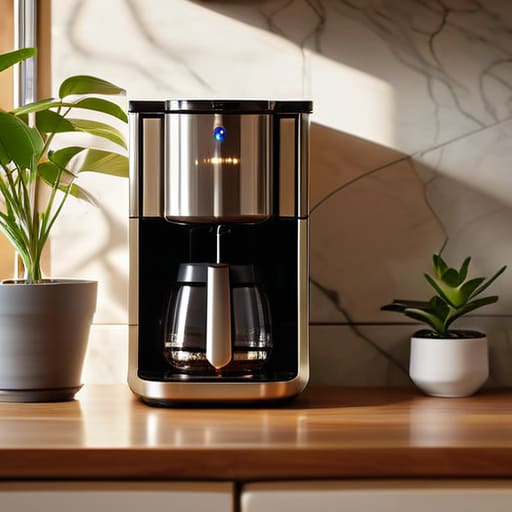
I spent thirty years in manufacturing, where if a component didn’t do exactly what the schematic promised, it was scrap. Nowadays, I see people throwing fifty bucks at some “smart” gadget that promises to revolutionize their morning, only to find out it’s nothing more than overpriced plastic that loses connection the second the microwave turns on. If you’re looking into smart plugs for coffee makers, don’t let the flashy marketing fool you into thinking you need a complicated ecosystem just to get a hot cup of joe. You don’t need a degree in computer science to automate a kitchen appliance; you just need something that actually stays connected when it matters most.
I’m not here to sell you on the latest tech hype or some subscription-based nonsense. My goal is simple: I’ve tested the hardware, poked at the build quality, and sat through the connectivity headaches so you don’t have to. I’m going to show you which models actually have the mechanical reliability to handle a heating element and which ones are destined for the junk drawer. We’re going to find you a tool that works every single morning, without the tech-induced migraine.
Table of Contents
Testing Smart Plug Compatibility With Drip Coffee Makers
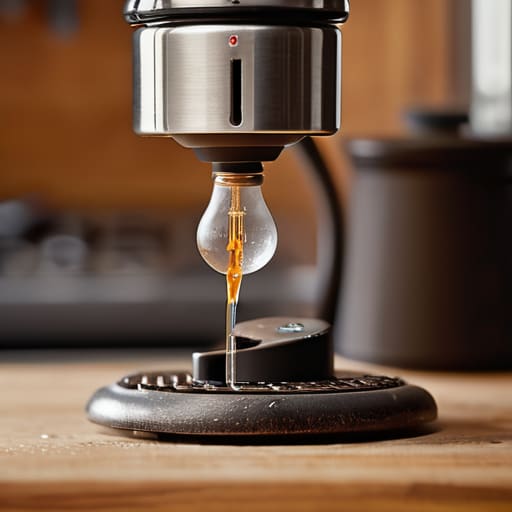
When I sat down at my workbench to test these units, I wasn’t looking at the flashy apps or the colorful LED rings. I was looking at the mechanical switch on the back of my old drip machine. Here is the reality: a smart plug can only do so much. If your coffee maker has a digital clock or a “soft” power button that requires a finger press to start a cycle, a smart plug is nothing more than an expensive paperweight. For this to work, you need a machine with a physical, mechanical on/off toggle that stays in the “on” position even when the power is cut.
I ran several tests to ensure smart plug compatibility with drip coffee makers wasn’t just marketing fluff. I checked how the relays handled the initial surge when the heating element kicked in. You don’t want a device that clicks and dies after a week of heavy use. I also spent some time scheduling coffee with Alexa or Google Home to see if the timing stayed consistent. If the automation skips a beat because of a minor Wi-Fi hiccup, you’re left staring at an empty mug. You need hardware that stays reliable, not just “smart.”
The Real Truth About Energy Saving Smart Kitchen Devices
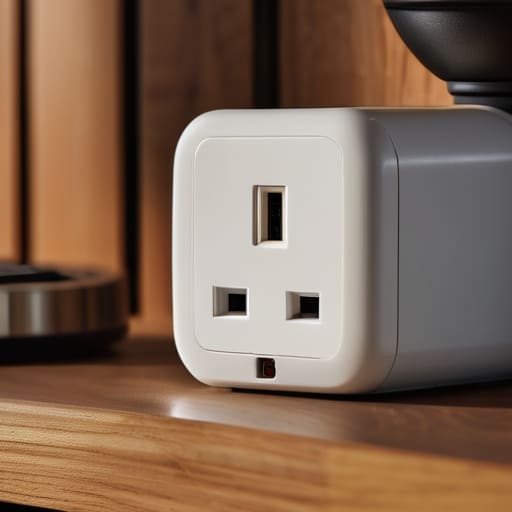
Now, let’s get one thing straight: most of the marketing fluff surrounding energy saving smart kitchen devices is nothing more than a way to justify a higher price tag. Manufacturers love to claim that these gadgets will slash your utility bills, but if you’re just using a smart plug to turn off a device that’s already drawing negligible phantom power, you aren’t saving money—you’re just spending money to save pennies. I’ve seen enough circuit boards in my time to know that unless you’re managing a high-draw appliance, the “savings” are often negligible compared to the initial cost of the hardware.
The real value isn’t in the electricity bill; it’s in the reliability of the routine. If you’re setting up an automated coffee brewing schedule, you aren’t doing it to be “green,” you’re doing it so you don’t have to stumble around a dark kitchen in the morning. Don’t get distracted by the bells and whistles of fancy apps if the core mechanism—the physical relay inside the plug—is cheap. If the hardware can’t handle the repetitive cycling of a heating element, it’s just more electronic waste headed for a landfill.
Five Things to Check Before You Plug In
- Check your coffee maker’s physical switch first. If you have to push a button to start a brew, a smart plug won’t do a lick of good; it only works if the machine has a mechanical “on” toggle that stays in place when the power is cut.
- Don’t ignore the wattage rating on the plug’s label. Most coffee makers draw a heavy current when heating water, so if you buy a cheap, low-amperage plug meant for a bedside lamp, you’re asking for melted plastic and a tripped breaker.
- Look for a local control option. I don’t care how “smart” a device is if it won’t work when your internet goes down; you want a plug that responds to a physical button or a local hub, not one that turns into a paperweight the moment the Wi-Fi hiccups.
- Verify the app’s reliability before you commit. I’ve seen too many “smart” gadgets that require a ridiculous, bloated app just to perform a simple timer function; if the software is clunky, the hardware is useless.
- Prioritize a “Schedule” feature over “Voice Control.” Being able to yell at a speaker to make coffee is a novelty, but a reliable, hard-coded schedule that runs locally is what actually ensures your caffeine is ready when you walk into the kitchen.
What I Learned from the Bench
Check your coffee maker’s switch first; if it’s a digital button that needs a press to start, a smart plug won’t do a lick of good without a mechanical workaround.
Don’t get blinded by fancy apps and “smart home ecosystems”—if the plug can’t maintain a steady connection to your router, you’ll be waking up to a cold pot every single morning.
Look for a heavy-duty rating on the specs; these devices pull a decent amount of current, and I’ve seen enough cheap, flimsy plastic melt to know that build quality matters more than a sleek design.
## The Bottom Line on Automation
“I’ve spent enough time looking at circuit boards to know that if a smart plug can’t handle the initial surge of a heating element without dropping its connection, it’s nothing more than an overpriced paperweight. You aren’t buying ‘convenience’ if you have to reset your Wi-Fi every morning just to get a decent cup of joe.”
Roland Delacroix
The Bottom Line on Your Morning Brew
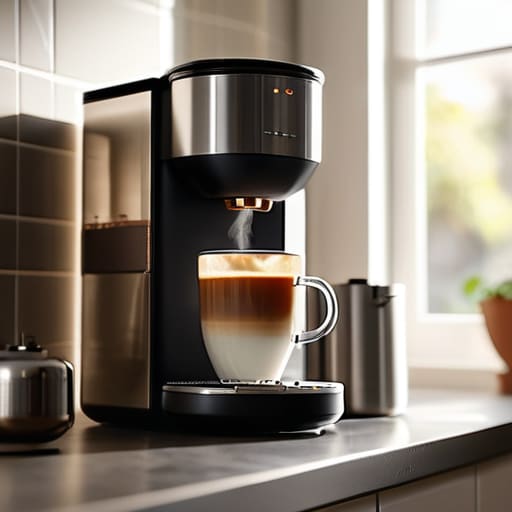
Look, I’ve spent enough time looking at circuit boards to know that a smart plug is just a middleman between you and your caffeine. If you’re going to do this, do it right. Don’t buy the cheapest, unbranded junk you find on a discount site; those things are nothing more than expensive plastic that’ll fail the moment your router updates. You need a plug with a solid physical relay and a connection that doesn’t drop every time the microwave runs. Make sure the wattage rating actually accounts for the heating element in your brewer, or you’re just asking for a blown fuse. Stick to the brands that prioritize build quality over flashy apps, and you’ll actually have your coffee ready when you walk into the kitchen.
At the end of the day, technology should serve you, not the other way around. I didn’t spend thirty years in systems engineering to spend my retirement troubleshooting a coffee maker that won’t turn on because of a software glitch. If a smart plug makes your morning smoother without adding a layer of digital headache, it’s a tool worth owning. But if it feels like you’re fighting the machine just to get a decent cup of joe, toss it in the bin and go back to a manual switch. Invest in gear that works, keep your setup simple, and stop letting gadgets complicate your life.
Frequently Asked Questions
Will a smart plug actually turn on my coffee maker if it has a digital clock or a physical "on" switch?
Here is the hard truth: if your coffee maker has a digital clock or a physical toggle switch that stays in the “on” position, a smart plug will work just fine. You’re essentially just cutting and restoring the flow of electricity to the machine. However, if your machine requires you to press a “Start” button every single time you plug it in, a smart plug is nothing more than an expensive paperweight. Test it before you buy.
Is there a risk of the smart plug overheating if my machine pulls a lot of wattage during the brewing cycle?
Look, this is exactly why I carry my notepad. You have to check the math before you plug anything in. Most coffee makers—especially those high-end espresso machines—pull a massive amount of current during the heating cycle. If you use a cheap, flimsy smart plug rated for only 10 amps when your machine pulls 15, you’re asking for melted plastic or, worse, a fire. Always match the plug’s amperage rating to your machine’s peak draw. Don’t cut corners on safety.
Do I really need a dedicated hub for this, or can I just run it off my home Wi-Fi without everything crashing?
Look, if you’re just plugging in one or two devices, your Wi-Fi can handle it. But if you start adding smart lights, plugs, and sensors all at once, you’re going to clog up your router’s bandwidth like a bad pipe. A dedicated hub takes that heavy lifting off your Wi-Fi, keeping your internet stable for actual work. If you want reliability and not a constant headache, get a hub. Don’t crowd your signal.
