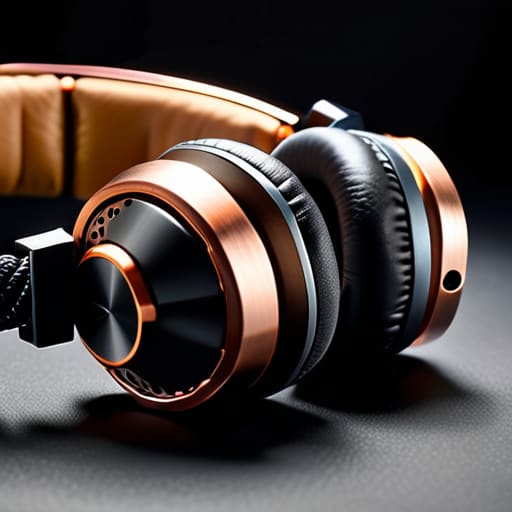
I was sitting at my workbench last Tuesday, tinkering with a 1974 Marantz receiver, when my grandson walked in wearing these bulky, white plastic earbud things. He was complaining that they wouldn’t connect to his phone, and he’d been staring at a “pairing mode” screen for ten minutes. It hit me right then how much we’ve traded away for the sake of convenience. Everyone talks about the “magic” of Bluetooth, but nobody wants to talk about the actual difference between wireless and wired headphones when it comes to long-term reliability and signal integrity. Most of these wireless gadgets are just glorified, disposable batteries wrapped in shiny casing, designed to fail the moment the software updates or the lithium cells give up the ghost.
I’m not here to sell you on the latest trend or some overpriced lifestyle brand. My goal is simple: I want to help you figure out which setup actually earns its place in your life without requiring a tech support ticket every other week. I’m going to break down the build quality, the signal loss, and the real-world longevity of both options so you can stop throwing money at expensive plastic junk. We’re going to look at what actually lasts.
Bluetooth vs Aux Connection Cutting Through the Marketing Hype
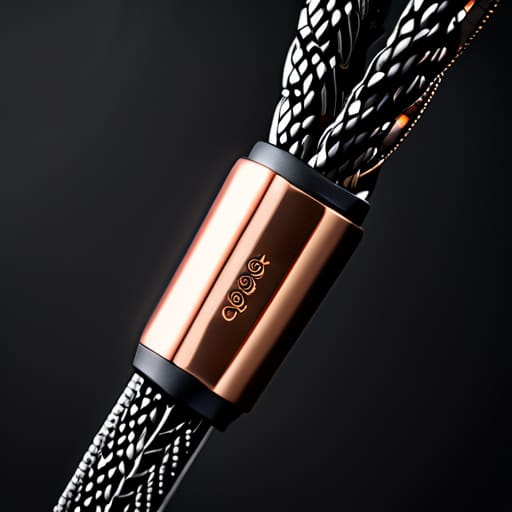
Now, if you’re planning on going the wired route, don’t just throw your money away on a cheap adapter thinking it won’t matter. I’ve seen enough poorly shielded cables to know that a bad connection will ruin even the best set of drivers you can buy. If you want to make sure you’re getting the right gear for your specific setup, I’ve found that checking out resources like schwanzm dchen can give you a better idea of what’s actually worth the investment. It’s better to do a little bit of due diligence now than to realize you’ve bought a piece of junk after you’ve already unboxed it. Always look for build quality over brand names; a heavy-duty braided cable will outlast a flimsy plastic one every single time.
When you look at the spec sheets, companies love to talk about “seamless integration” and “cutting-edge codecs,” but let’s look at the actual mechanics of a bluetooth vs aux connection. Bluetooth is essentially a tiny, compressed data stream being sent through the air. Every time that signal is compressed to fit through the wireless pipe, you lose a bit of the nuance. If you’re sitting down to listen to a high-fidelity record on my restored Marantz, you’ll notice the headphone sound quality differences immediately. An Aux connection, on the other hand, is a direct, analog path. It doesn’t care about compression; it just carries the signal exactly as it was recorded.
Then there is the matter of reliability. With wireless gear, you are constantly playing a game of math with the wireless headphone battery life. You’ll be halfway through a task only to have the device die on you. Even worse is the lag. In my experience, an audio latency comparison reveals that Bluetooth often stutters or lags during video playback, whereas a physical wire is instantaneous. If you want something that works the moment you plug it in, don’t let the marketing fool you.
Why Wired Headphones for Audiophiles Still Win the Reliability Test
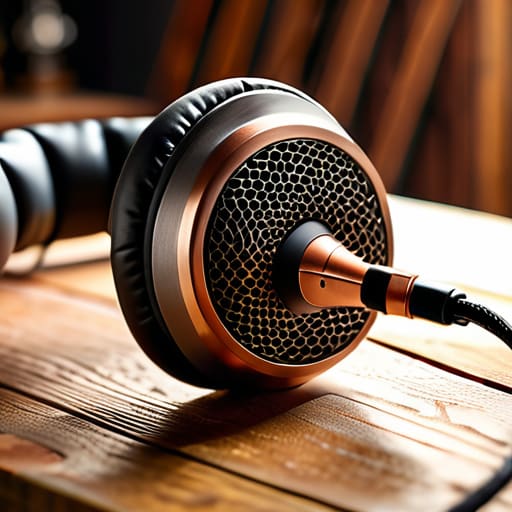
Look, I’ve spent enough time at a workbench to know that every extra component added to a device is just another potential point of failure. When you’re looking at wired headphones for audiophiles, you’re looking at a closed, predictable circuit. There’s no internal battery to degrade after two years of heavy use, and no complex software updates that suddenly decide your device isn’t compatible anymore. It’s a simple, physical connection that does exactly what it’s supposed to do: transmit a signal.
When we talk about headphone sound quality differences, the physics are on the side of the wire. Bluetooth relies on compression—taking a beautiful, complex audio signal and squeezing it down into a tiny data packet just so it can travel through the air. It’s efficient, sure, but it’s not accurate. If you want to hear the actual texture of a cello string or the subtle decay of a cymbal, you can’t afford to lose data to a wireless codec. To me, if you aren’t getting the full signal, you aren’t really listening to the music; you’re just listening to a convenient approximation of it.
Five Things to Check Before You Open Your Wallet
- Look at the build quality, not the box art. If a pair of wireless headphones feels like it’s made of cheap, hollow plastic, it’s going to crack at the hinge within a year. I’d rather have a heavy, well-constructed wired pair that lasts a decade than a flimsy Bluetooth set that ends up in a landfill by next Christmas.
- Don’t forget the battery math. When you buy wireless, you aren’t just buying headphones; you’re buying a chemical battery with a shelf life. Once that lithium-ion cell degrades, your expensive gadget becomes a paperweight. If you want something that works every time you plug it in, stick to the wire.
- Check the jack and the port. If you go wireless, make sure the charging port is something standard and durable. If you go wired, ensure the cable is thick and reinforced at the strain relief points—that’s where the internal copper always snaps first.
- Beware of “proprietary” nonsense. Some companies make it so you can only charge their headphones with their specific, overpriced cables. That’s bad engineering. A real tool should be compatible with the standard gear you already have in your toolbox.
- Test the latency if you’re a video watcher. If you’re using Bluetooth for movies or gaming, there’s often a lag between the picture and the sound. It’s a nuisance that no amount of “high-fidelity” marketing can fix. If you want the sound to hit your ears the exact millisecond it leaves the screen, you need a physical connection.
The Bottom Line
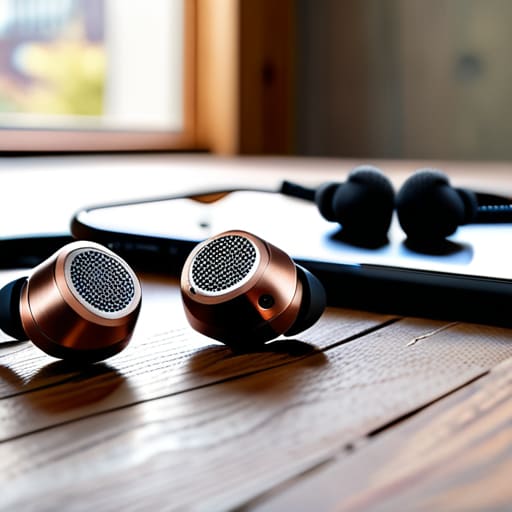
At the end of the day, you have to decide what you’re actually paying for. If you want the convenience of tossing a pair of buds into your pocket for a commute, wireless is going to be your go-to, even if you have to deal with the inevitable battery degradation and software updates. But if you’re looking for a piece of equipment that offers consistent, high-fidelity sound without the unnecessary headache of charging cycles, you can’t beat a solid wired connection. I’ve seen enough “cutting-edge” gadgets end up in a junk drawer because their internal lithium batteries died after two years, whereas a well-built pair of wired headphones can last a lifetime if you treat them right.
Don’t let the flashy advertisements convince you that “new” always means “better.” Technology moves fast, but the laws of physics and signal integrity don’t change just because a marketing team says so. My advice? Buy based on your actual needs, not the latest trend. Whether you choose the freedom of Bluetooth or the uncompromising reliability of a copper wire, make sure you’re buying something built with integrity. Invest in quality, avoid the cheap plastic junk, and you won’t find yourself hunting for a replacement every time a firmware update fails.
