I walked into a local big-box store last week and nearly walked right back out. The aisles are choked with shiny, over-engineered contraptions that promise to revolutionize your life but really just promise to clutter your drawers and break the moment the warranty expires. As an engineer, I’ve spent my career looking at tolerances and build quality, and frankly, most of what they call essential kitchen gadgets for home cooking these days is nothing more than expensive, disposable plastic. You shouldn’t need a manual the size of a phone book just to chop an onion or sear a steak, yet the industry seems determined to make cooking as complicated as possible.
I’m not here to sell you on the latest gadget craze or anything that requires a Wi-Fi connection to function. Instead, I’ve put together a list of seven items that actually stand up to the rigors of a real kitchen. I’ve stripped away the marketing fluff to focus on the mechanics, the materials, and the utility. By the time you finish reading, you’ll know exactly which tools are worth your hard-earned money and which ones are just engineered to fail.
A Heavy-Duty Chef's Knife
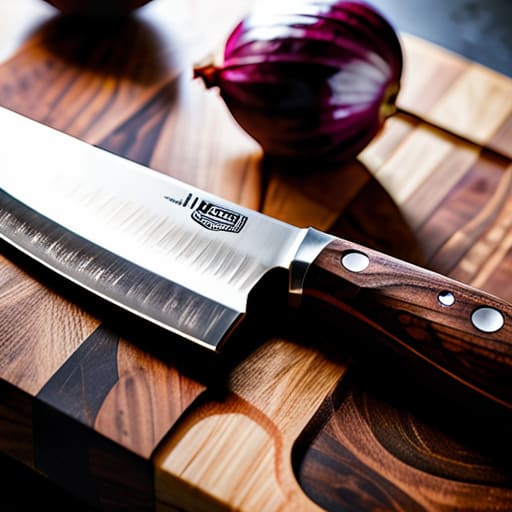
Most people walk into a big-box store and pick up the first shiny, lightweight knife they see because it feels “nimble.” That’s a mistake. In my experience, you want a knife with some actual heft to it—something forged from high-carbon stainless steel that balances well in the hand. If the blade feels like it’s made of tin, it’s going to dull before you’ve even finished slicing your first onion.
Cast Iron Skillet
If there is one thing I can’t stand, it’s these modern “non-stick” pans that start peeling after six months of use. They are nothing more than expensive plastic disguised as cookware. A seasoned cast iron skillet, on the other hand, is a piece of engineering that will likely outlive me. It holds heat better than any aluminum pan I’ve ever tested in a lab, and it does so with incredible consistency.
Digital Instant-Read Thermometer
I’ve seen too many folks rely on “feel” or, heaven forbid, a timer, to decide if meat is done. That is a recipe for a dry, wasted dinner. A decent digital thermometer is a piece of precision instrumentation that takes the guesswork out of the equation. You aren’t looking for a gadget with a dozen unnecessary Bluetooth features; you just want something that gives an accurate reading in three seconds flat.
Stainless Steel Mixing Bowls
I don’t care what the marketing says—plastic bowls are a waste of space. They stain, they retain odors, and they crack if you drop them. I always keep a set of graduated stainless steel bowls in my kitchen. They are virtually indestructible and won’t react with acidic ingredients like lemon juice or vinegar, which is something you have to worry about with lower-grade materials.
A Solid Wood Cutting Board
This is where a lot of people go wrong. They buy those thin, flimsy bamboo boards that warp the moment they get wet. If you want to protect your knives and your sanity, you need a thick, heavy wooden board. I prefer maple or walnut because they have the right density to handle a blade without being so hard that they dull the edge immediately.
High-Quality Tongs
Most people treat tongs like an afterthought, buying the cheapest pair of spring-loaded metal sticks they can find. But if the tension is wrong, they’re useless. You need tongs that have a firm grip and a decent weight to them. I’ve tested plenty of these, and the ones that feel like they’re made of recycled soda cans are the ones that fail exactly when you’re trying to flip something hot.
A Reliable Microplane Grater
I’m not talking about those massive, clunky box graters that take up half your cupboard. I’m talking about a handheld microplane. It’s a simple, elegant piece of design that handles zest, hard cheeses, and garlic with ease. The key is the blade sharpness; if the teeth aren’t etched deeply and precisely, you’ll end up shredding the food rather than grating it.
Stop Buying Plastic Junk
At the end of the day, you don’t need a kitchen full of gadgets that require a software update just to slice an onion. We’ve covered the essentials: a heavy-duty chef’s knife, a solid cast iron skillet, a reliable digital thermometer, and a few other tools that actually serve a mechanical purpose. My advice remains the same as it was when I was on the factory floor: look for build quality over brand names. If a tool feels flimsy in your hand or is made of thin, lightweight plastic that’s destined for a landfill in six months, leave it on the shelf. You want equipment that has heft and durability, tools that can handle the heat and the repetitive stress of daily cooking without failing you when the timer is running.
Cooking shouldn’t be a complicated engineering problem, and your kitchen shouldn’t be a showroom for overpriced, unnecessary tech. When you strip away the marketing fluff and the flashing LED lights, you’re left with the simple reality that good food comes from good technique and reliable implements. Invest your hard-earned money in a few workhorse tools that will last you a decade rather than a season. Once you have the right foundation, you can stop worrying about the gear and start focusing on the meal. That is where the real satisfaction lies.
Now, I know that getting all these tools set up and learning the nuances of different cooking techniques can feel a bit overwhelming if you’re just starting out. I’ve always found that the best way to sharpen your skills is to talk to people who actually know what they’re doing rather than just reading a manual. If you ever find yourself looking for some real-time advice or just want to swap tips with others who share your interests, you might find some useful perspectives in chat rooms in region. It’s a good way to get practical insights without having to hunt through a thousand useless forums, and sometimes a bit of direct conversation is exactly what you need to master a new piece of equipment.
