
I was sitting in my workshop last Tuesday, trying to troubleshoot a vintage Marantz receiver, when my neighbor decided it was the perfect time to run his industrial-grade leaf blower right outside my window. I reached for a pair of those high-end, Bluetooth-enabled “smart” buds I’d been testing, but let me tell you, they were useless. All that fancy software and circuitry couldn’t do a damn thing against that low-frequency roar; it was just more expensive plastic failing at its one job. If you’re looking for noise cancelling earplugs that rely on a smartphone app to function, you’re likely just throwing your hard-earned money down the drain.
I’m not here to sell you on a lifestyle or a gadget that requires a firmware update just to work. My goal is simple: I’ve put dozens of these through the ringer to see which ones actually provide mechanical isolation and which ones are just marketing fluff. I’m going to show you exactly what works for blocking out real-world chaos so you can stop wasting money on tech that promises the world but delivers nothing but a headache.
Table of Contents
- Silicone vs Foam Earplugs Which Material Actually Works
- Understanding Decibel Reduction Levels Without the Marketing Fluff
- Five Rules for Not Getting Ripped Off by Earplug Marketing
- The Bottom Line: Don't Get Fooled by the Packaging
- The Reality of Sound Dampening
- The Bottom Line
- Frequently Asked Questions
Silicone vs Foam Earplugs Which Material Actually Works
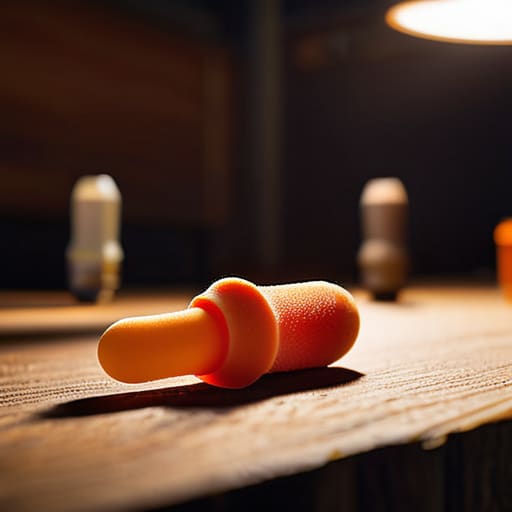
I’ve spent plenty of time at my workbench where precision matters, and the same logic applies here. When you’re looking at silicone vs foam earplugs, you aren’t just choosing a color; you’re choosing a mechanical method of sound attenuation. Foam is the old reliable. It expands to fill the ear canal, creating a decent seal that offers impressive decibel reduction levels for a low price. However, once that foam gets compressed or dirty, it’s useless. It’s a disposable solution, and frankly, it feels a bit cheap after a few uses.
Silicone, on the other hand, is built for the long haul. These are usually reusable, which appeals to my sense of practicality. If you’re looking for high fidelity earplugs for concerts, silicone is your only real option because it filters the sound rather than just muzzling everything into a muddy mess. You want to hear the music, not just a dull thud. While they require a bit more cleaning to keep them hygienic, they don’t feel like they’re going to crumble in your hand after a week.
Understanding Decibel Reduction Levels Without the Marketing Fluff
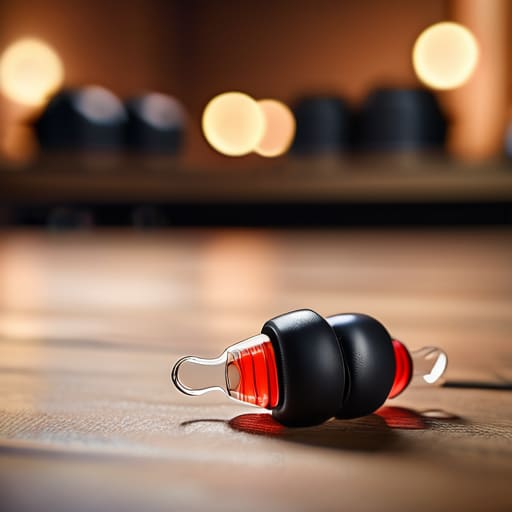
Don’t let the glossy packaging fool you. When you’re looking at a box, you’ll see numbers like NRR (Noise Reduction Rating) or SNR (Single Number Rating) plastered everywhere. Companies love to throw these figures around to make it look like their product is a miracle worker. But here is the reality: those numbers are measured in a controlled laboratory setting, not in your living room or a crowded stadium. If a manufacturer claims a massive jump in decibel reduction levels without explaining how they measured it, I’d take that with a heavy dose of salt.
You need to understand that a higher number isn’t always better for every situation. For instance, if you are looking for high fidelity earplugs for concerts, you actually don’t want to kill every single frequency. If you do, the music will sound like it’s playing through a thick wool blanket. You want clarity, not total silence. Similarly, if you’re seeking noise isolation for studying, you need something that dampens the hum of the refrigerator without making you feel like you’re underwater. Always look for the actual frequency attenuation chart if you can find it—that’s where the real truth is hidden.
Five Rules for Not Getting Ripped Off by Earplug Marketing
- Don’t trust the “Noise Cancelling” label on cheap earplugs. Unless they have an active battery and a circuit board inside, they aren’t “cancelling” anything—they are just passively blocking sound. If the box says “Active Noise Cancelling” but it costs twenty bucks, they’re lying to you.
- Check the seal, not the color. I’ve seen high-end silicone plugs that fail miserably because they don’t conform to the ear canal. If you can’t get a tight, airtight fit, you might as well be wearing nothing at all. A good plug should feel like it’s part of your anatomy, not just sitting on top of it.
- Stop buying the disposable foam ones if you’re using them every day. They’re fine for a one-off flight, but they degrade fast and lose their structural integrity. If you want something that lasts, look for medical-grade silicone that you can actually clean and reuse.
- Mind the frequency. Most cheap plugs are decent at blocking out a low rumble, but they’ll let high-pitched sounds—like a whistling kettle or a crying baby—slice right through. If you need silence for sleep, make sure you’re looking at the specific decibel reduction for high frequencies, not just the average number.
- Test the comfort for more than five minutes. I’ve seen plenty of guys buy these for construction work only to find out they can’t wear them for an hour without an ache in their jaw. If the material is too stiff, it’s just going to cause more problems than it solves.
The Bottom Line: Don't Get Fooled by the Packaging
Stop chasing the highest decibel number on the box; if the seal isn’t airtight against your ear canal, that number is nothing but marketing fiction.
Pick your material based on how you use it—foam is for maximum blockage when you’re sleeping, but silicone is the only way to go if you need to actually hear your surroundings or reuse them daily.
If a pair feels like it’s made of cheap, flimsy plastic that’s going to snap or lose its shape in a week, walk away; a good earplug should feel like a tool, not a disposable toy.
The Reality of Sound Dampening
Don’t let a glossy box and a high price tag fool you; if a pair of earplugs doesn’t create a reliable seal against your ear canal, all those decibel ratings on the packaging are nothing more than expensive fairy tales.
Roland Delacroix
The Bottom Line
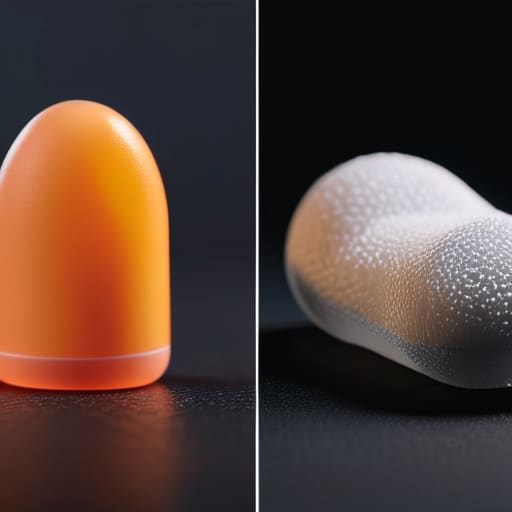
At the end of the day, don’t let a shiny box or a high price tag do the talking for you. We’ve looked at the math, and the reality is simple: if you need a deep, heavy seal for sleeping, go with the high-density foam. If you’re looking for something you can wash and reuse without it feeling like you’ve shoved a piece of trash in your ear, stick to the high-grade silicone. Just remember that no earplug is a magic wand; they are tools designed to dampen sound, not create a vacuum of silence. Before you pull out your credit card, make sure you are buying for the specific decibel reduction you actually need, rather than whatever the marketing department says sounds impressive.
I’ve spent enough time in machine shops and workshops to know that the right tool makes all the difference between a productive day and a massive headache. You shouldn’t have to fight your own gear just to get a moment of peace. Invest in something that feels solid, fits well, and actually does what the specs claim it will do. Stop chasing the latest gadget craze and start looking for reliable build quality. Once you find a pair that actually holds up and keeps the world at bay, you’ll realize that true value isn’t found in a brand name, but in the quiet that follows.
Frequently Asked Questions
How long are these things actually going to last before the material degrades or loses its seal?
Look, don’t expect these to last forever. If you’re using the disposable foam variety, treat them like a consumable—use them a few times, then toss them. They lose their structural integrity and stop sealing once the cells collapse. For the reusable silicone models, you’re looking at maybe six months to a year of decent use, provided you’re cleaning them properly. Once the material gets tacky or develops micro-tears, the seal is gone. Throw them out.
If I'm wearing these to sleep, am I going to wake up with sore ear canals or some kind of pressure buildup?
That’s a fair question, and it’s one people usually only ask after they’ve spent a night tossing and turning in pain. If you’re using cheap, hard foam, you’re asking for trouble—it can create a pressure seal that feels like your eardrums are being pushed inward. For sleeping, stick to the soft, medical-grade silicone. It conforms to your anatomy rather than fighting it. If it feels like a plug is wedged too deep, take it out. Your ears aren’t meant to be under constant stress.
Is there a real difference between "passive" earplugs and those electronic "active" ones, or is it all just marketing jargon?
It’s not just jargon, but you need to know what you’re actually buying. Passive earplugs are just a physical barrier—good old-fashioned material blocking the sound waves. They’re reliable and don’t need a battery. “Active” noise cancelling uses electronics to create opposing waves. It’s great for low, constant hums like an airplane engine, but it’s overkill for most tasks. If you want simplicity and durability, stick to passive. If you want high-tech wizardry, go active.
