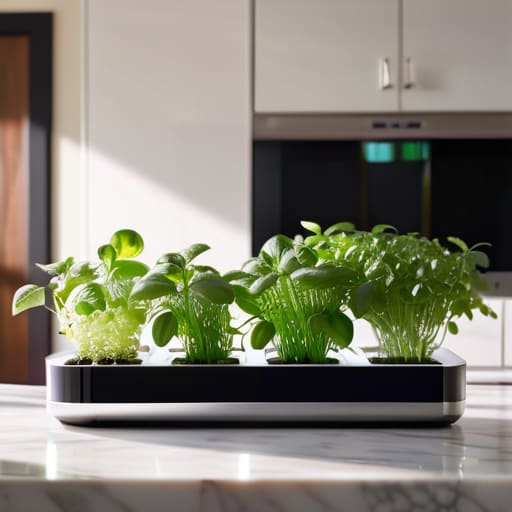
I was sitting at my workbench last Tuesday, cleaning the oxidation off a set of vintage Marantz terminals, when I saw an ad for one of those high-end smart garden kits flashing on my screen. It promised “automated botanical bliss” through a proprietary app and a dozen sensors, but all I saw was a glorified, overpriced plastic bucket that would likely fail the moment the Wi-Fi dropped. In my thirty years as a systems engineer, I learned one thing: if a device requires a software update just to water a basil plant, it isn’t a tool, it’s a liability.
I’m not here to sell you on the dream of a high-tech jungle controlled by your smartphone. My goal is to strip away the marketing fluff and look at the actual build quality and mechanical reliability of these systems. I’ll be looking at the pump durability, the sensor accuracy, and whether these things are built to last or just destined for a landfill in six months. I promise to tell you which of these kits are genuine functional tools and which ones are just expensive junk designed to separate you from your hard-earned money.
Table of Contents
The Truth About Automated Indoor Gardening Technology
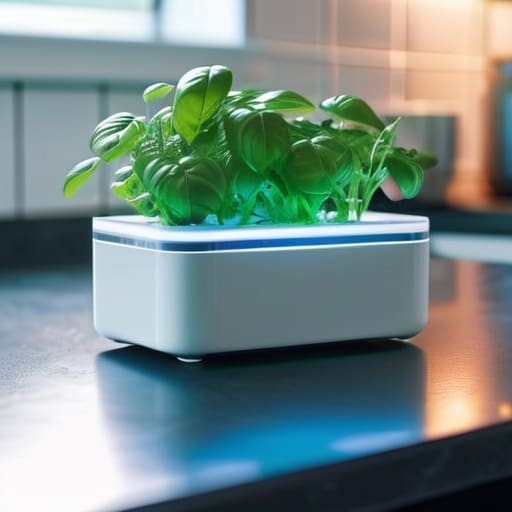
I’ve spent a fair amount of time pulling apart the guts of these app-controlled indoor gardens, and frankly, I’m often underwhelmed. On paper, the promise of automated indoor gardening technology sounds like a dream—set it and forget it. But in practice, you’re often just buying a glorified timer wrapped in a sleek, white plastic shell. Most of these systems rely on a proprietary app that’s more prone to crashing than a cheap laptop, which defeats the whole purpose of “automation.” If you can’t water a basil plant without checking a software update, the design has failed.
That said, it isn’t all junk. When you look at the actual hardware, the real value lies in the smart garden LED spectrum. A decent unit uses specific light wavelengths to mimic the sun, which is something a windowsill simply can’t do in the middle of winter. If you’re looking for the best smart planters for herbs, ignore the marketing fluff about “lifestyle integration” and look at the pump and the light housing. You want a system with heavy-duty components that won’t seize up after three months of mineral buildup.
Finding the Best Smart Planters for Herbs That Last
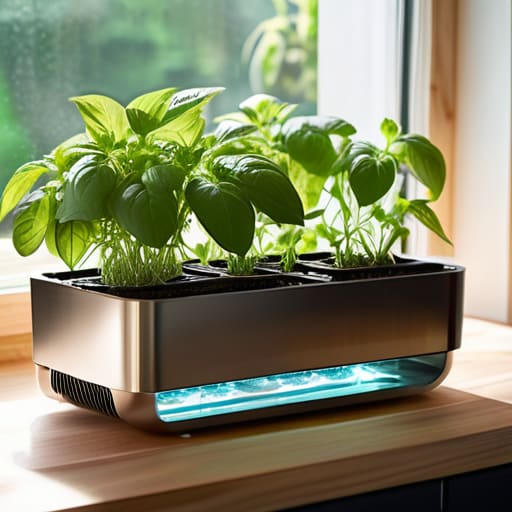
When you’re looking for the best smart planters for herbs, don’t get distracted by the flashy packaging or the slick marketing campaigns. I’ve seen too many of these units end up in a landfill after one season because a single proprietary pump failed. If you want something that actually lasts, you need to look at the chassis and the water reservoir design. I prefer units with a modular build where you can actually see the components. If a manufacturer refuses to tell you how to clean the pump or replace a sensor, walk away. You aren’t buying a plant; you’re buying a piece of hardware, and it should be built to be maintained, not discarded.
I also pay close attention to the light source. Most of these app-controlled indoor gardens rely on a specific smart garden LED spectrum to keep things growing, but you need to ensure those lights are high-quality diodes, not some cheap, flickering afterthought. A decent system should have a sturdy mounting bracket that doesn’t wobble when you reach in to harvest your basil. If the plastic feels thin or the light arm feels like it’s going to snap under its own weight, it’s just more expensive junk.
Five Rules for Not Getting Ripped Off by a Smart Planter
- Check the water reservoir capacity before you buy. Most of these “smart” gadgets use tiny tanks that run dry in two days, forcing you to baby the thing more than a real plant would ever require. If you have to refill it every time you go to the grocery store, it isn’t saving you any labor.
- Look for physical overrides. I don’t care how many fancy apps they promise; if the Wi-Fi drops or their server goes down, you need to be able to turn the pump or the lights on with a manual switch. If the device is a paperweight without a stable internet connection, keep walking.
- Inspect the build material, not just the specs. A lot of these companies use thin, brittle ABS plastic that’ll crack the first time the heat from the grow lights hits it. You want something with decent weight and UV-resistant housing, or you’ll be replacing the whole unit by next season.
- Prioritize modularity over “all-in-one” systems. A good setup should allow you to replace a single light or a single pump if it fails. If the whole system is one sealed unit and a $5 sensor dies, you’ve just thrown the entire machine into a landfill. That’s bad engineering and a waste of your money.
- Don’t trust the “auto-grow” marketing blindly. These kits often use preset light cycles that don’t account for the specific needs of the plant you actually put in them. Make sure the system allows you to adjust the spectrum and the timing manually, or you’ll end up with nothing but yellowing leaves and wasted electricity.
The Bottom Line on Smart Gardening
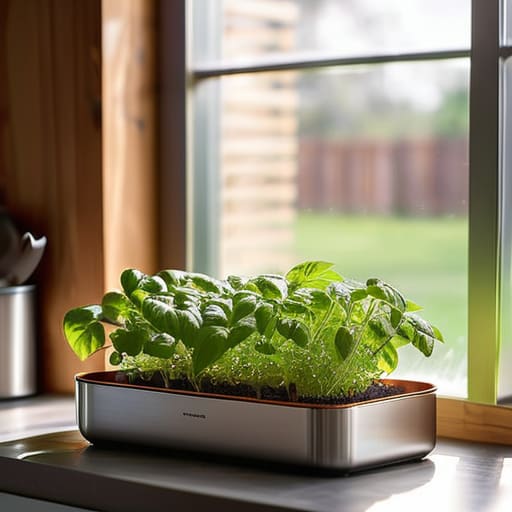
Prioritize hardware over software; a sturdy, well-built planter with a reliable water pump is worth more than a fancy app that will likely stop receiving updates in two years.
Don’t get blinded by “smart” features that complicate a simple task; if a device requires a constant Wi-Fi connection just to keep a basil plant alive, it’s a design failure, not a feature.
Look for modularity and replaceable parts, because when a single sensor fails in these cheap, all-in-one plastic units, the whole system becomes expensive landfill.
## The Engineering Reality
“I’ve seen enough ‘smart’ gadgets fail because they traded a solid mechanical design for a cheap sensor and a buggy app; if a garden kit requires a software update just to water a basil plant, it isn’t a tool—it’s a liability.”
Roland Delacroix
The Bottom Line on Smart Gardening
At the end of the day, don’t let a slick marketing campaign convince you that you need a complex computer system just to grow a little basil. We’ve looked at how most of these kits rely on flimsy sensors and proprietary plastic parts that are destined for a landfill the moment the software updates fail. If you’re going to invest your hard-earned money, look for a system with mechanical simplicity and modular components that you can actually maintain. You want a device that serves the plant, not a gadget that requires you to troubleshoot a Wi-Fi connection every time you want a salad. Stick to the brands that prioritize build quality and longevity over flashy app integrations.
My advice is to treat your indoor garden like any other piece of equipment in your home: buy it once, buy it right, and make sure it actually does the job it was engineered for. There is a real satisfaction in seeing something grow because you provided the right environment, not because an algorithm told you to. Don’t be afraid of a little manual effort; that’s usually where the real learning happens. If you find a kit that balances automation with reliable engineering, you’ll have a tool that lasts for years rather than a piece of junk that ends up in the bin by next season. Build something that lasts.
Frequently Asked Questions
How much of a headache is it going to be to keep these things connected to my Wi-Fi when the signal drops?
That’s the million-dollar question. Honestly? It can be a real headache. Most of these kits rely on 2.4GHz Wi-Fi, which is prone to interference. If your signal drops, you aren’t just losing an app notification; you might lose control over the pump cycles or lighting schedules. I always check for a physical override or a local manual mode before I buy. If it can’t function offline, it’s not a tool—it’s a liability.
Are the replacement seed pods actually affordable, or am I stuck in a subscription trap just to keep the thing running?
Here’s the short answer: you’re likely walking into a subscription trap. Most of these manufacturers design their systems with proprietary pod shapes and sensor chips that only their own “official” refills can trigger. It’s a classic way to lock you into a recurring cost. If you can’t find a kit that allows for standard seed starting trays or generic pods, you aren’t buying a garden; you’re buying a monthly bill.
If the electronics fail after a year, can I actually repair the unit, or is the whole thing destined for a landfill?
That’s the million-dollar question. Most of these kits are built like disposable toys. They use proprietary, glued-together plastic housings that make it impossible to get inside without snapping the casing. If a cheap water pump dies or a sensor shorts out, you’re usually stuck. Unless the manufacturer sells individual replacement parts—which they rarely do—you aren’t repairing it; you’re just shopping for a new one. It’s frustrating, wasteful, and frankly, bad engineering.
