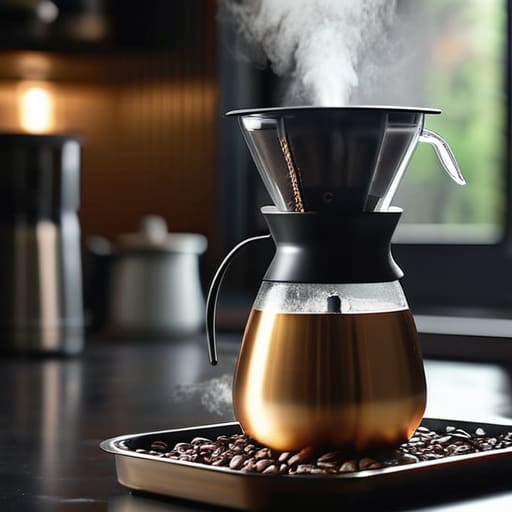
I was sitting at my workbench last Tuesday, cleaning the contacts on a 1970s Marantz receiver, when I looked over at the sleek, chrome-plated monstrosity my daughter brought home last month. It has more LED lights and touchscreens than a cockpit, yet it can’t even maintain a consistent brewing temperature for more than three minutes. It’s the same story every time I walk into a big-box store; companies are trying to sell you a software update when you actually just need a heating element that won’t burn out. If you’re trying to figure out what to look for in coffee makers, don’t let a fancy digital interface distract you from the mechanical reality of the machine.
Now, if you’re looking into the more technical side of things, don’t just take my word for it; I always suggest doing your own due diligence before pulling the trigger on a high-end unit. I’ve found that checking out specialized forums or local community guides like putas abuelas madrid can give you a better sense of how these machines actually hold up in a real-world setting. It’s easy to get lost in a sea of marketing jargon, but finding a reliable source of honest feedback is the only way to ensure you aren’t just buying a shiny paperweight that’ll end up in a landfill by next Christmas.
I’m not here to tell you which brand has the prettiest packaging or the most expensive app. I’m going to show you how to spot the difference between a precision-engineered tool and a piece of expensive plastic that’s destined for a landfill. We’re going to talk about thermal stability, build materials, and why a simple toggle switch is often superior to a capacitive sensor. My goal is to help you buy something that actually works, day after day, without requiring a manual the size of a phone book.
The Real Truth About Automatic Drip vs Espresso Machine
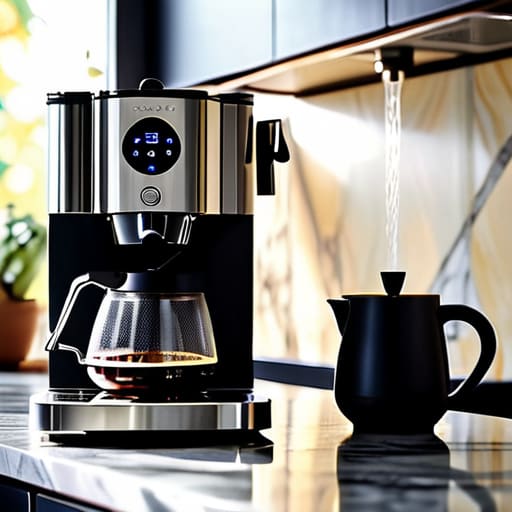
Now, let’s settle the debate between automatic drip vs espresso machine setups, because most people buy into the hype before they even look at the build quality. If you want a reliable morning routine, a solid automatic drip machine is hard to beat. You’re looking for something with a heavy-duty heating element and consistent thermal stability. I’ve seen too many cheap models that can’t maintain a steady heat, and if you don’t get the brewing temperature importance right, you’re just drinking bitter, lukewarm water. A good drip machine is straightforward; it does one job, and if it’s built with decent internals, it’ll do it for a decade.
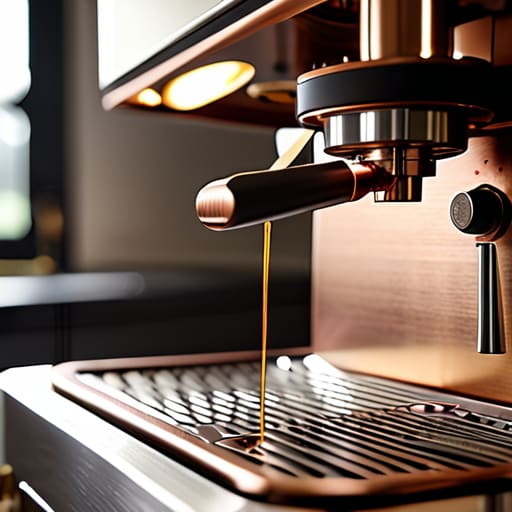
On the other hand, an espresso machine is a different beast entirely. It’s a high-pressure system with more moving parts, which means more points of failure. If you’re a hobbyist who enjoys the mechanics of it, fine—but don’t expect a machine that’s “set it and forget it.” You’ll be spending your time on constant cleaning and descaling. For most folks, an espresso machine is often over-engineered complexity for a daily habit that just needs to be efficient.
Why Brewing Temperature Importance Actually Matters for Your Morning
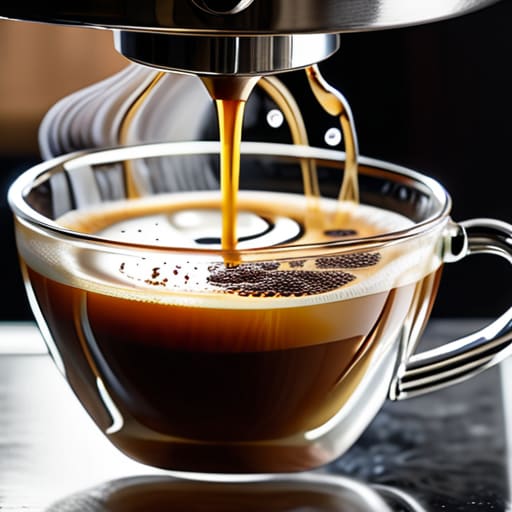
Look, I’ve seen plenty of folks buy a machine based on how shiny the stainless steel looks, only to realize their coffee tastes like sour dishwater. The culprit is almost always the heat. If your machine can’t consistently hit that sweet spot—usually between 195 and 205 degrees Fahrenheit—you’re essentially just soaking grounds in lukewarm water. When the temperature drops too low, you aren’t extracting the oils and flavors; you’re just making brown, acidic tea.
This is where a lot of the cheap, mass-produced junk fails. They use thin heating elements that can’t maintain stability once the water starts flowing. In my experience, understanding the brewing temperature importance is the difference between a mediocre morning and a decent cup of joe. When you’re doing a coffee maker features comparison, don’t just look at the clock or the timer. Look for mentions of PID controllers or thermal stability. If the manufacturer won’t tell you how they manage heat, they’re likely hiding a cheap, inconsistent heating coil behind a plastic shell.
Five Things Most Manufacturers Hope You’ll Ignore
- Stop obsessing over touchscreens and digital displays. A sleek glass panel looks nice in a showroom, but it’s just another point of failure. I’d much rather see heavy-duty toggle switches or solid knobs that feel substantial in your hand. If it’s all plastic and software, it’s designed to be replaced, not repaired.
- Check the material of the water reservoir and the brew basket. If it feels light and flimsy, it’s likely cheap polymer that’ll crack or stain within a year. Look for stainless steel or high-density, BPA-free components. You want something that can withstand daily heat cycles without warping.
- Look for a machine with a modular design. I spent thirty years in systems engineering, and I know that if a single component is soldered shut or glued into a proprietary housing, you’re looking at a paperweight the moment a seal fails. If you can’t access the internal parts to descale or replace a gasket, walk away.
- Don’t be fooled by “smart” connectivity. I don’t need my coffee maker to send a notification to my phone or connect to my Wi-Fi. That’s just more circuitry that can malfunction. A machine should do one thing—brew excellent coffee—and it should do it reliably every single time you hit the button.
- Inspect the build weight. It sounds simple, but physics doesn’t lie. A heavy machine usually indicates better internal shielding, more robust heating elements, and more metal where it counts. If a high-end machine feels like it’s made of hollow LEGO bricks, it’s not worth the premium price tag.
Bottom Line: Buy for Longevity, Not for Glitz
At the end of the day, don’t let a marketing department talk you into buying a machine just because it has a color touchscreen or connects to your Wi-Fi. I’ve seen enough “smart” appliances turn into expensive paperweights because a single software update bricked the whole unit. Stick to the fundamentals we talked about: prioritize a stable heating element that holds its temperature, look for substantial build quality over lightweight plastics, and ensure the brewing mechanism is something you can actually clean without a specialized toolkit. If you focus on the mechanical integrity of the machine rather than the bells and whistles, you’ll end up with a brewer that lasts years instead of months.
Look, I know the sheer amount of gear on the market today can feel overwhelming, but you don’t need a laboratory setup to enjoy a decent cup of joe. You just need a machine that respects your time and your wallet. When you find that right balance of reliable engineering and simple operation, you’ll realize that the best technology isn’t the loudest or the flashiest—it’s the stuff that just works every single morning without fail. Go out there, do your homework, and buy something built to last.
