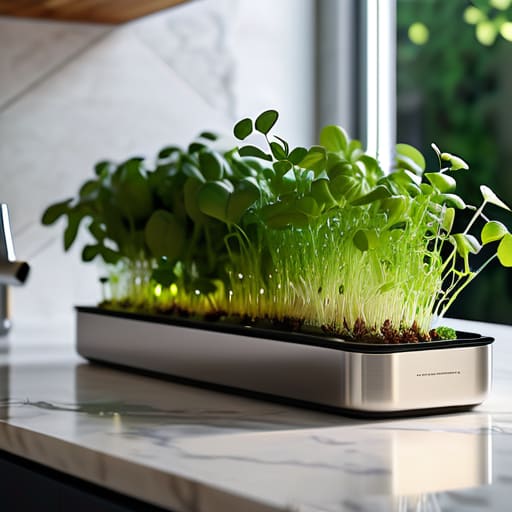
I was out in the garage yesterday, cleaning the grease off a set of vintage calipers, when I saw an ad for a “smart garden” that promised to grow heirloom tomatoes using nothing but an app and a prayer. It turned my stomach. We’ve reached a point where people are willing to pay a premium for a glorified plastic bucket that requires a stable Wi-Fi connection and a software update just to deliver a cup of water. In my thirty years as a systems engineer, I learned that the more moving parts—especially digital ones—you add to a simple task, the more ways you create points of failure. If you can’t fix it with a screwdriver and a bit of common sense, it isn’t a tool; it’s a toy.
I’m not here to sell you on the latest shiny gadget or help you navigate a complex user interface that’s designed to frustrate you. My goal is to strip away the marketing fluff and look at the actual build quality and mechanical reliability of these systems. I’ll tell you which setups are worth your hard-earned money and which ones are destined to end up in a landfill by next season. We’re going to find out what actually works and what is just expensive plastic.
Table of Contents
Is Smart Planter Technology Worth Your Hard Earned Money
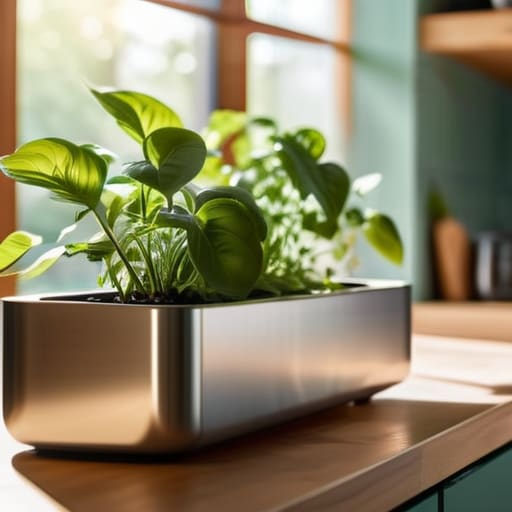
Look, I’ve seen enough “revolutionary” gadgets end up in my junk drawer to know that novelty doesn’t equal utility. When you’re looking at smart planter technology, you have to ask yourself if you’re paying for a solution or just paying for a fancy LED light show. If you are someone who consistently forgets that plants need water, then an automated plant watering system can actually be a legitimate tool. It takes the guesswork out of the equation and prevents that expensive habit of buying a new basil plant every time you go on a weekend trip.
However, there is a fine line between a helpful tool and a technical headache. I’ve tested several units where the smart garden app integration was so clunky I spent more time troubleshooting my Wi-Fi than actually enjoying my herbs. If a device requires a stable 5G connection just to tell you the soil is dry, it’s poorly engineered. For me, the real value lies in the hardware—the pumps, the sensors, and the build quality. If the guts of the machine aren’t solid, you’re just buying a very expensive way to grow weeds.
The Truth About Automated Indoor Herb Garden Hype
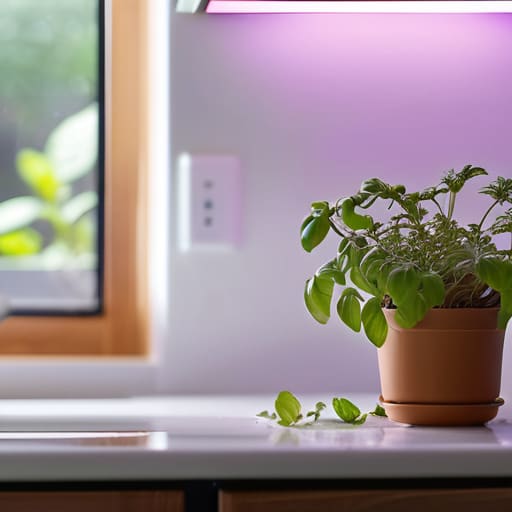
The marketing departments love to use buzzwords like “urban indoor farming solutions” to make a glorified plastic bucket sound like a scientific breakthrough. They’ll show you glossy photos of lush basil growing under neon lights, but they rarely mention the failure points. Most of these automated indoor herb garden kits rely on a single, cheap pump and a cheap sensor. If that sensor fails—and they often do because of mineral buildup—the whole system goes haywire, either drowning your plants or leaving them to wither in bone-dry soil.
I’ve spent enough time looking at schematics to know that complexity is often the enemy of reliability. These companies push heavy smart garden app integration, claiming you need to check your phone just to see if your mint is thirsty. Honestly? That’s just more software that can crash or become obsolete in two years. If you’re looking for the real hydroponic system benefits, you want something that prioritizes a sturdy reservoir and a manual override. Don’t get blinded by the flashing LEDs; look for the hardware that actually holds up when the Wi-Fi goes down.
How to Avoid Buying a High-Tech Paperweight
- Check the connectivity requirements before you buy. If a planter requires a constant, high-speed Wi-Fi connection just to keep a basil plant alive, you’re asking for trouble the moment your router hiccups.
- Look for mechanical overrides. I don’t care how many “smart” sensors it has; if there isn’t a physical button or a manual way to trigger water or light, the device is a liability, not a tool.
- Prioritize modularity over all-in-one kits. Avoid those sealed systems where you’re forced to buy their specific, overpriced seed pods. If you can’t swap out the components or use your own soil, you don’t own the device—the company does.
- Inspect the build materials. Most of these gadgets are made of thin, injection-molded plastic that will warp under the heat of the grow lights. Look for something with weight and structural integrity.
- Verify the sensor lifespan. Water and electricity are a volatile mix. If the manufacturer can’t tell you how long those moisture sensors are rated to last before they corrode, walk away.
My Final Verdict on the Smart Garden Craze
Don’t buy into the hype if the device requires a constant Wi-Fi connection just to function; if the app crashes, your plants shouldn’t die with it.
Look for heavy-duty components and manual overrides; if you can’t water the thing yourself when the electronics fail, it’s a paperweight, not a tool.
Prioritize build quality over “smart” features; a sturdy, well-designed planter with a simple timer will outlast any overpriced gadget filled with flimsy plastic sensors.
The Reliability Test
I’ve spent enough years on factory floors to know that if a system has too many points of failure, it isn’t a tool—it’s a liability. If you need a stable Wi-Fi connection and a software update just to keep a sprig of rosemary alive, you haven’t bought a garden; you’ve bought a headache wrapped in expensive plastic.
Roland Delacroix
The Bottom Line
Look, I’m not saying you should avoid these gadgets entirely, but you need to approach them with a healthy dose of skepticism. We’ve looked at the sensor reliability, the complexity of the apps, and the sheer amount of proprietary plastic these companies want to sell you. If you’re looking for a way to automate a hobby that is fundamentally about getting your hands in the dirt, a smart garden might just be an unnecessary middleman. My advice? If the device requires a constant Wi-Fi connection just to keep a basil plant from wilting, it’s not a tool—it’s a liability. Stick to the hardware that serves a clear, mechanical purpose without needing a software update every Tuesday.
At the end of the day, technology should serve us, not the other way around. Whether you decide to invest in a high-end automated system or just stick to a simple terracotta pot and a watering can, make sure it’s a choice that actually adds value to your life. Don’t let the flashy marketing convince you that you can’t grow something beautiful without a motherboard attached to it. There is a certain unmatched satisfaction in growing something with your own two hands, using tools that are built to last and simple enough to understand. Keep your eyes on the quality, ignore the hype, and buy things that work.
Frequently Asked Questions
How much maintenance do these things actually need once you've set them up, or is it just a different kind of chore?
Let’s be clear: “automated” doesn’t mean “autonomous.” You aren’t setting these up and walking away forever. You’ll still be topping off water reservoirs, checking pH levels, and cleaning out algae buildup from the light housings. If you neglect the basics, the sensors will just give you a front-row seat to your plants dying. It’s not a different kind of chore; it’s just trading manual watering for technical upkeep. Keep your notepad handy.
If the Wi-Fi goes down or the app crashes, will my plants actually die, or is there a manual override?
That’s the million-dollar question. I’ve seen too many “smart” devices turn into paperweights the moment the router hiccups. If a planter relies entirely on a cloud server to decide when to water, you’re playing a dangerous game. Before you buy, check the specs for a physical manual override or local scheduling. If there isn’t a way to set a timer without an app, you aren’t buying a garden; you’re buying a headache.
Are the replacement seed pods just a way for companies to lock you into a subscription, and can I just use my own soil and seeds?
You hit the nail on the head. Most of these companies use those proprietary pods like a “razor and blade” model—they sell you the cheap base unit and then bleed you dry with overpriced, pre-measured refills. It’s a subscription trap disguised as convenience. Can you use your own soil and seeds? Usually, yes, but you’ll likely have to hack the lid or bypass a sensor. If you want real control, stick to a simple pot and some decent dirt.
