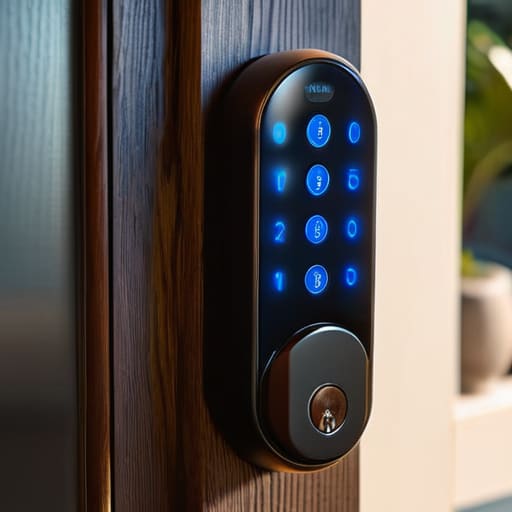
I was standing on my front porch last Tuesday, juggling two bags of groceries and a leaking carton of milk, staring blankly at my smartphone screen. I was trying to trigger my smart lock through an app that decided, quite inconveniently, that it needed a firmware update right that second. It’s a ridiculous situation. We’ve reached a point where we are being sold “convenience” that actually adds three extra steps to a simple task. If you can’t get into your own house without a stable Wi-Fi connection and a software patch, you haven’t bought a security upgrade; you’ve bought a headache.
I’m not here to sell you on the flashy marketing or the colorful app interfaces that look great in a showroom. My goal is to help you separate the heavy-duty hardware from the overpriced plastic junk that fails the moment the weather turns cold. I’m going to walk you through what actually matters: bolt throw, motor torque, and whether the device can survive a bit of real-world wear and tear. We’re going to look at these tools through the lens of mechanical reliability, ensuring you spend your hard-earned money on something that actually works.
Table of Contents
Biometric Door Locks True Reliability or High Tech Gimmicks
I’ve spent a good portion of my retirement tinkering with vintage receivers where a physical switch meant something. Now, I see manufacturers pushing biometric door locks as the ultimate convenience, claiming your fingerprint is the only key you’ll ever need. On paper, it sounds efficient. In practice? It’s a gamble. I’ve seen enough sensor failures in my engineering days to know that a fingerprint scanner is only as good as the moisture level on your skin. If you’ve been working in the garden or it’s a humid July morning, that high-tech sensor might decide you aren’t the owner.
The real issue is the dependency on software. When you opt for these systems, you aren’t just buying a deadbolt; you’re buying into a complex ecosystem of sensors and processors. While the promise of seamless smart home automation integration is tempting, I worry about the long-term durability of the components. If the motherboard in a standard mechanical lock fails, you use a key. If the logic board in a biometric unit fries, you’re potentially locked out of your own home. To me, reliability should never be sacrificed for novelty.
Wifi Enabled Deadbolts Does Constant Connectivity Compromise Your Safety
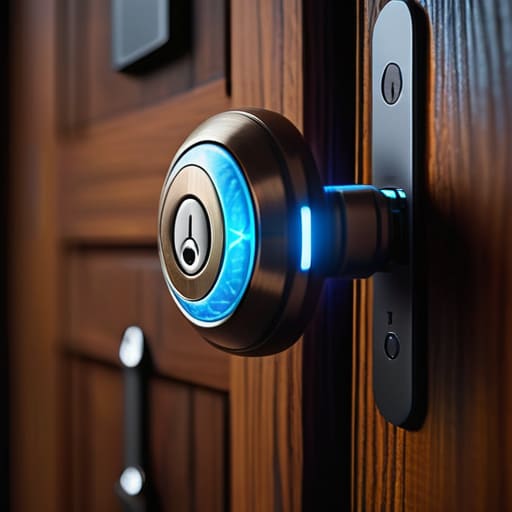
Then there are the wifi enabled deadbolts. On paper, the idea of managing your home’s perimeter from a smartphone sounds like progress, but as an engineer, I look at the attack surface. Every time you connect a piece of hardware to your local network, you’re adding a potential point of failure. While the remote access security features are convenient for letting a contractor in while you’re at the hardware store, you have to ask yourself if that convenience is worth the risk of a digital breach.
I’ve seen too many manufacturers prioritize flashy apps over the actual mechanical integrity of the bolt. If the software glitches or your router decides to reboot, you don’t want to be standing on your porch staring at a dead screen. If you’re looking into smart home automation integration, make sure you aren’t sacrificing physical reliability for the sake of a notification on your phone. A lock’s primary job is to stay shut, not to send you a status report every five minutes.
Don't Get Burned: 5 Things to Check Before You Buy
- Look for a physical key backup. I don’t care how many fancy fingerprint sensors a lock has; if the battery dies or the software glitches, you need a mechanical way to get into your own home without calling a locksmith.
- Prioritize local protocols over Wi-Fi. If a lock relies entirely on your home internet to function, you’re just inviting a headache. Look for Z-Wave or Zigbee compatibility—they’re more stable and won’t bog down your router.
- Check the bolt’s material and throw. Don’t just look at the sleek exterior. You want a solid brass or hardened steel bolt that actually moves smoothly. If the deadbolt feels flimsy or “mushy” when you test it, it’s going to fail within a year.
- Demand a clear battery indicator. A smart lock that leaves you guessing when the power is low is a liability. You want a device that gives you a direct, unmistakable warning well before it goes dark.
- Read the manual—specifically the installation section. If the setup requires a specialized technician or a complex series of software updates just to turn a latch, it’s over-engineered nonsense. A good tool should be intuitive.
The Bottom Line on Smart Locks
Don’t trade mechanical reliability for a fancy sensor; if a lock’s primary function depends on a stable internet connection or a fingerprint scan that fails when your hands are wet, it’s a liability, not an upgrade.
Prioritize physical override options above all else. I don’t care how “smart” a device claims to be—if it doesn’t have a way to be opened with a standard key during a power failure or software glitch, leave it on the shelf.
Look past the marketing jargon and inspect the build quality. You want heavy-duty metal and solid deadbolts, not a lightweight housing that feels like it was designed to be replaced in eighteen months.
The Real Test of a Lock
A door lock’s job is to stay shut when you need it to, not to demand a firmware update or a stable Wi-Fi signal just to let you inside your own home.
Roland Delacroix
The Bottom Line on Smart Security
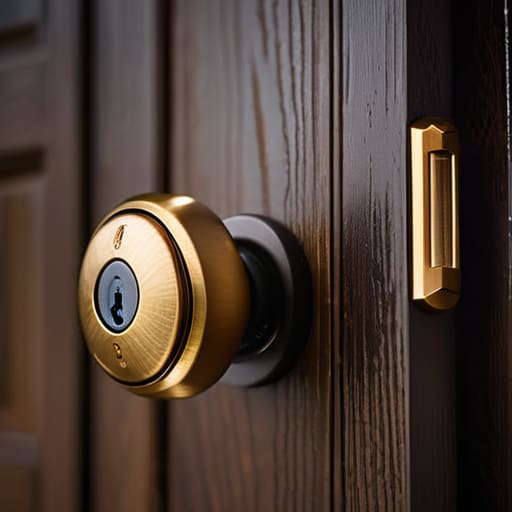
At the end of the day, choosing a smart lock shouldn’t feel like a gamble with your home’s security. We’ve looked at the biometric scanners that can fail if your hands are even slightly damp, and the Wi-Fi deadbolts that seem to spend more time fighting your router than securing your door. If you’re going to invest your hard-earned money, you need to prioritize mechanical integrity over flashy software features. A smart lock is ultimately a door lock first and a gadget second. If the motor is flimsy or the connection is unreliable, all the app notifications in the world won’t help you when you’re standing on your porch in the rain, unable to get inside. Always look for a model that offers a solid manual override—because when the electronics inevitably fail, you need a real key to save the day.
Don’t let the marketing departments convince you that “smart” is synonymous with “better.” Real security is about predictability and durability, not how many bells and whistles a manufacturer can cram into a plastic housing. I’ve spent my career looking at how parts wear down over time, and I can tell you that simplicity is the ultimate form of reliability. Buy something that feels heavy in your hand, something that uses proven hardware, and something that doesn’t require a software update just to function. Use technology to make your life easier, but never let it become a point of failure for your family’s safety. Stick to the basics, do your homework, and buy tools that are built to last.
Frequently Asked Questions
If the batteries die or the electronics fail, can I still use a traditional physical key to get inside?
That’s the most important question you can ask. Before you buy, look at the cylinder. If there isn’t a standard keyway hidden behind a small flap or integrated into the design, walk away. I don’t care how many fancy features it has; if the circuit board fries or the batteries leak, you shouldn’t be locked out of your own home. Always ensure there is a mechanical override. If it lacks one, it’s a liability, not a tool.
How much of a headache is it going to be to install this on an older door that wasn't built for modern hardware?
If you’re dealing with an old door, prepare for a bit of a headache. Most of these modern kits assume your bore hole is perfectly centered and your strike plate aligns to the millimeter. On vintage wood, you’ll likely find the holes are slightly off or the door is warped. You’ll probably end up needing a drill, some wood filler, and a fair amount of patience to make the hardware sit flush.
Are these things actually built to withstand heavy use, or is the casing going to crack after a year of being bumped?
Look, if you’re asking that, you already know the problem. Most of these consumer-grade locks are made of zinc alloys or cheap polymers that feel hollow in your hand. If you’ve got kids slamming doors or a high-traffic household, a flimsy plastic casing isn’t going to cut it. I always check the weight and the metal composition first. If it feels like a toy, it’ll crack within a year of real-world use.
