
I was sitting in my workshop last Tuesday, tinkering with a 1970s Marantz receiver, when I realized something infuriating: most of the modern “smart pet cameras” hitting the market today are built with the structural integrity of a child’s toy. I see these companies slapping a high price tag on a piece of hollow, cheap plastic and calling it “cutting-edge technology.” They promise you a window into your home, but what you actually get is a device that drops its Wi-Fi signal the moment a breeze hits the window or requires a software update every single time you actually need to check on your dog. It’s pure marketing fluff designed to separate you from your hard-earned money.
I’m not here to sell you on a lifestyle or show you glossy advertisements. My goal is to strip away the jargon and tell you which units actually have the hardware to stay online and the build quality to last more than a month. I’ve spent my career looking at systems and tolerances, and I’m going to apply that same scrutiny here. I will show you which smart pet cameras are worth the investment and which ones are just expensive paperweights waiting to fail you.
Table of Contents
What Real Pet Security Camera Features Actually Offer

When you’re looking at the spec sheet, most manufacturers will try to bury you in buzzwords about “AI-driven motion detection” or “cloud-based ecosystems.” Ignore the fluff. I want you to look at the hardware. A decent pet security camera features set should prioritize a stable connection and a lens that doesn’t fog up the moment the humidity shifts. If the video feed stutters every time your cat brushes against the unit, the whole thing is useless. You need a solid build that handles the realities of a living room, not a delicate piece of kit that belongs in a museum.
Then there’s the matter of interaction. I see a lot of people falling for the gimmick of a pet camera with treat dispenser, thinking it’s a magic fix for separation anxiety. In my experience, those mechanical parts are often the first thing to fail. If you’re going to invest, make sure the two-way audio is crisp and lacks that annoying digital lag. There is nothing more frustrating than trying to calm a nervous animal only to have your voice come out sounding like a robot from a 1970s sci-fi flick.
Why Most Remote Pet Monitoring Devices Fail You
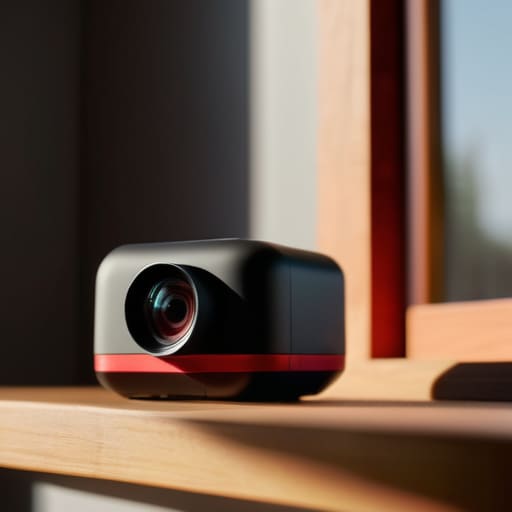
The biggest headache I run into with these remote pet monitoring devices isn’t the software; it’s the hardware’s inability to handle real-world conditions. Most manufacturers are so focused on flashy app interfaces that they forget about the basics, like thermal management or signal stability. You’ll buy one of these gadgets thinking you’re getting peace of mind, only to find that the internal components overheat or the Wi-Fi chip is so weak it can’t penetrate a single drywall partition. If the connection drops the second your cat jumps near the unit, that piece of equipment is nothing more than a paperweight.
Then there’s the issue of “feature bloat.” Companies try to sell you on every bell and whistle in the book—like a pet camera with treat dispenser—but they often sacrifice the fundamental reliability of the lens or the sensor. I’ve seen too many people get burned by expensive plastic that promises the world but can’t even provide a clear image in low light. When you’re looking for the best indoor cameras for dogs, you shouldn’t have to settle for a device that fails the moment things get interesting.
Five Things to Check Before You Pull the Trigger
- Look for a hardwired power option. I’ve seen too many people rely on cheap batteries that die right when they actually need to check on their dog, leaving them with nothing but a useless hunk of plastic on the wall.
- Prioritize local storage over cloud subscriptions. There is no sense in paying a monthly “rent” fee to a tech company just to view your own footage; find a unit with a microSD slot so you actually own your data.
- Test the Wi-Fi range before you mount it. If the camera is sitting in the hallway but your router is in the basement, you’re going to deal with a laggy, stuttering feed that’s about as useful as a broken compass.
- Demand a physical lens cover or a clear privacy mode. If you’re going to have a camera inside your home, you need to know for a fact that it isn’t watching you while you’re eating dinner, not just when you’re at work.
- Check the build quality of the housing. If the casing feels like a flimsy toy, the internal components probably are too; look for something with a bit of weight and decent heat dissipation so it doesn’t overheat and quit on you in six months.
The Bottom Line on Pet Cameras

Stop chasing the marketing buzzwords and focus on hardware stability; a camera with a hundred “smart” features is useless if the Wi-Fi chip can’t maintain a steady handshake with your router.
Prioritize build quality and physical durability over sleek aesthetics, because if a device is built from thin, cheap plastic, it won’t survive the heat or the accidental bumps in a real home environment.
Demand local storage options like an SD card slot so you aren’t held hostage by a monthly subscription fee just to view footage that should have been yours from the start.
The Truth About "Smart" Features
Most of these manufacturers spend more time designing a flashy app that crashes every five minutes than they do on the actual sensor or the stability of the connection; I don’t care if the camera can track a cat’s movement if the hardware can’t even stay online long enough to send me a notification.
Roland Delacroix
The Bottom Line on Pet Cameras
At the end of the day, don’t let the flashy marketing and colorful app icons distract you from the fundamentals. I’ve seen enough poorly engineered junk to know that a high-resolution lens means nothing if the Wi-Fi chip is cheap or the housing can’t handle a little heat. You need to prioritize reliable connectivity and a build quality that doesn’t feel like a toy. If the device can’t maintain a steady stream when you actually need to check on your dog, it’s nothing more than an expensive paperweight sitting on your bookshelf. Stick to the specs that matter—uptime, sensor quality, and hardware durability—and ignore the rest of the fluff.
Buying technology shouldn’t feel like a gamble, especially when it involves the peace of mind of your household. You deserve tools that work the first time you plug them in and continue to work months down the road without requiring a software update every single morning. My advice is simple: buy for longevity and utility, not for the latest trend. When you invest in equipment that is built to last, you aren’t just buying a gadget; you are buying the certainty that your home is being watched by something that actually functions. Now, go find something that’s built to stay online.
Frequently Asked Questions
How much storage am I actually going to pay for in monthly subscription fees just to see my footage?
Here’s the truth: you’re not just buying a camera; you’re signing up for a monthly rent payment. Most of these manufacturers build the hardware cheap and then squeeze you for $5 to $15 every single month just to access your own recorded footage. If you don’t want to be nickel-and-dimed forever, look for a model with a local microSD card slot. It’s a one-time cost that keeps your data under your roof.
Can these things actually handle a heavy-duty pet, or is the housing just cheap plastic that'll snap if a cat knocks it over?
Look, if you’re worried about a cat knocking it off a shelf, you’re asking the right question. Most of these gadgets are built with the structural integrity of a milk carton. If it feels light and hollow in your hand, it’s going to snap the first time a heavy breed bumps it. I always look for high-impact ABS plastic or, better yet, something with a weighted base. Don’t buy a piece of junk that can’t survive a bump.
Is the "two-way audio" feature actually clear enough to talk to my dog, or is it just muffled static?
Look, most of these manufacturers treat two-way audio as an afterthought. They slap a cheap, low-bitrate microphone in a plastic housing and call it a day. In my experience, you’ll usually get a tinny, muffled mess that sounds like you’re talking through a wet wool blanket. If you want to actually command your dog, look for a unit with dedicated noise cancellation and a decent speaker driver. Otherwise, you’re just shouting into a void.
