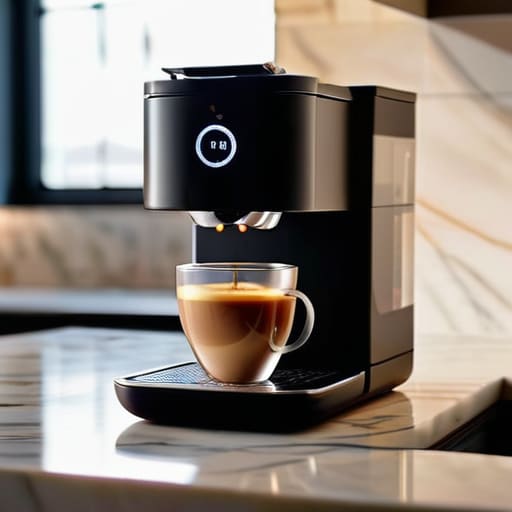
I was sitting in my workshop last Tuesday, trying to calibrate an old Marantz receiver, when I realized I’d spent twenty minutes fighting with a “smart” carafe that refused to brew because it couldn’t find my Wi-Fi signal. It’s absurd. We’ve reached a point where you need a software update just to get a caffeine fix, and frankly, most of these smart coffee makers are nothing more than over-engineered paperweights. If a machine requires a stable internet connection and a smartphone app just to perform the simple task of heating water, then the engineering has failed the user.
I’m not here to sell you on the latest shiny gadget or the bells and whistles that marketing departments use to inflate a price tag. My goal is to look past the glowing touchscreens and tell you which machines are built with actual integrity and which ones are just expensive plastic destined for a landfill. I’ll be looking at build quality, ease of maintenance, and whether the “smart” features actually add value or just add unnecessary points of failure. Let’s find out what’s actually worth your hard-earned money.
Table of Contents
- The Truth About App Controlled Brewing and Connectivity
- When Iot Kitchen Appliances Become Unreliable Nuisances
- Five Rules for Buying a Brewer That Won't Leave You Caffeine-Deprived
- The Bottom Line on Smart Brewing
- The Bottom Line on Connectivity
- The Bottom Line on Smart Brewing
- Frequently Asked Questions
The Truth About App Controlled Brewing and Connectivity
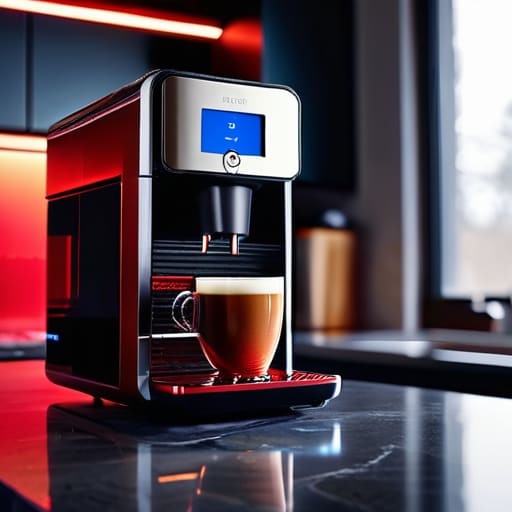
I’ve spent a lot of time looking at the schematics of these new IoT kitchen appliances, and frankly, I’m often underwhelmed. The marketing departments want you to believe that app-controlled brewing is the pinnacle of modern engineering, but most of the time, it’s just an unnecessary layer of complexity between you and your caffeine. Why do I need to troubleshoot a Wi-Fi handshake just to get a medium roast going in the morning? If the router decides to act up, you’re left staring at a blinking red light instead of enjoying a hot cup of joe.
There is a small margin where this tech actually earns its keep, specifically when it comes to precision temperature control. If a machine can use a sensor to keep your water within a single degree of the target, that’s real engineering I can respect. However, most of these devices prioritize the flashy interface over the actual thermal stability. If you’re buying a machine primarily for the remote start coffee maker feature, just make sure the hardware underneath isn’t made of cheap, thin-walled components that will fail the moment the software updates.
When Iot Kitchen Appliances Become Unreliable Nuisances
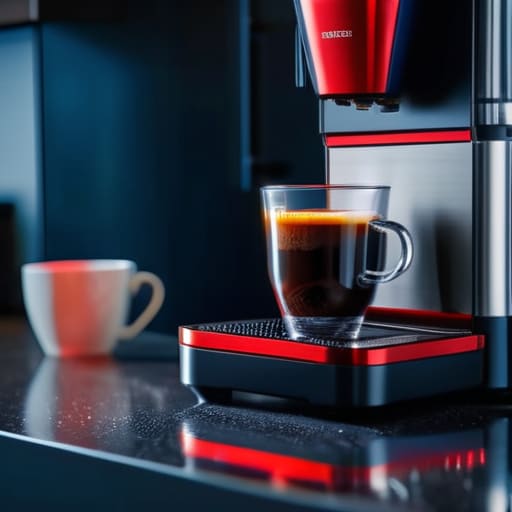
The real trouble starts when these IoT kitchen appliances decide they don’t feel like talking to your Wi-Fi anymore. I’ve seen it time and again: you wake up, ready for your caffeine fix, only to find that a mandatory firmware update or a dropped signal has rendered your expensive machine a paperweight. When you’re relying on a remote start coffee maker to have a pot ready by 6:00 AM, a “server error” isn’t just a minor inconvenience—it’s a failure of basic engineering. A machine that requires a stable internet connection just to perform its primary function is a machine that is fundamentally flawed.
In my day, if a switch worked, it worked. Now, we’ve traded mechanical reliability for the promise of smart home coffee integration, often at the cost of actual usability. If the software glitches, you lose access to features like precision temperature control, leaving you with lukewarm sludge. We are increasingly seeing a trend where the software outlives the hardware’s usefulness, or worse, the software breaks the hardware entirely. If you can’t bypass the digital nonsense to get a simple cup of joe, you aren’t owning a tool; you’re renting a headache.
Five Rules for Buying a Brewer That Won't Leave You Caffeine-Deprived
- Prioritize physical buttons over touchscreens. If the software glitches or the Wi-Fi drops out, you still want to be able to walk into the kitchen and press a button to get your coffee. A machine that requires a firmware update just to pour a cup is a machine that’s going to fail you on a Monday morning.
- Check for manual override options. Before you pull the trigger on a high-end smart model, make sure it has a way to operate without an internet connection. If the only way to brew is through a smartphone app, you haven’t bought an appliance—you’ve bought a liability.
- Look for modular, replaceable parts. Most of these modern machines are sealed shut like a tomb. If a single sensor goes bad, you’re supposed to toss the whole thing in a landfill. I prefer machines where I can actually get a screwdriver in there to fix a connection or swap a part.
- Ignore the “Smart” marketing if the heating element is subpar. I don’t care if the machine can tweet when it’s done brewing if it can’t maintain a consistent temperature. A steady thermal block is worth ten times more than a fancy Bluetooth connection.
- Demand a clear, printed manual. If the manufacturer assumes you’ll figure everything out via a PDF on a website, run the other way. You need to know the maintenance schedule and the troubleshooting steps without having to hunt through a digital interface every time a light starts blinking.
The Bottom Line on Smart Brewing
Don’t let a fancy app distract you from the fundamentals; if the heating element and the pump aren’t built to last, no amount of smartphone connectivity will save that machine from a landfill in two years.
Prioritize manual override options—if a software glitch or a Wi-Fi outage prevents you from making a simple cup of coffee, the machine has failed its primary engineering purpose.
Before you pull the trigger, ask yourself if you’re paying for improved coffee quality or just paying a premium for a Bluetooth chip that will likely be obsolete by the time you finish your next bag of beans.
The Bottom Line on Connectivity
“I don’t care if I can schedule a brew from my smartphone while I’m still in bed; if the machine requires a firmware update just to heat water, it’s not an appliance—it’s a liability.”
Roland Delacroix
The Bottom Line on Smart Brewing
Look, I’m not saying you should throw your smartphone out the window and go back to a percolator, but we have to be realistic here. If you’re buying a machine because you want to schedule a brew from your bed, fine—just make sure the manufacturer isn’t planning to brick that machine with a mandatory software update six months down the line. We’ve seen it time and again: the hardware is perfectly capable of making a decent cup, but the connectivity is the weak link. If the app crashes or the Wi-Fi drops, you shouldn’t be left staring at a piece of expensive, non-functional countertop clutter. Stick to machines where the primary function—the brewing—is independent of the digital bells and whistles.
At the end of the day, a coffee maker is a tool, not a lifestyle statement. It has one job: to deliver a reliable, hot cup of coffee when you need it most. Don’t let the marketing departments convince you that you need a cloud-connected ecosystem just to start your morning. Invest your money in solid build quality, thermal stability, and easy-to-clean components. When you prioritize mechanical integrity over flashy screen interfaces, you’ll end up with a machine that actually lasts. Buy something that works, keep it simple, and enjoy your coffee.
Frequently Asked Questions
Is there any actual difference in the flavor of the coffee if I brew it via an app versus just hitting a physical button?
Let’s be clear: the physics of brewing doesn’t change just because you tapped a screen. Whether you hit a physical button or trigger a command through a smartphone, the water temperature, pressure, and saturation remain the same. If the machine is built well, the coffee will taste identical. If you’re paying a premium for “app-enhanced” flavor, you’re being sold a lie. You’re paying for convenience, not a better cup.
What happens to my machine if the manufacturer decides to stop updating the software or shuts down their servers?
That’s the million-dollar question, and it’s where these machines really fall apart. If the manufacturer pulls the plug on their servers or stops pushing software updates, your “smart” brewer becomes a very expensive paperweight. You might still be able to hit a physical button, but if the core logic is tied to the cloud, you’re stuck. I’ve seen it happen: a company goes under, and suddenly your morning routine requires a software engineer.
Are these smart brewers actually built to last, or am I just paying a premium for a circuit board that's going to fail in three years?
Look, I’ll give it to you straight: most of them are built to fail. When I was in manufacturing, we designed for serviceability. Today, these companies design for obsolescence. You aren’t paying for better heating elements or superior thermal stability; you’re paying for a Wi-Fi chip and a fancy touchscreen. Once that proprietary software stops getting updates or that single circuit board gets a bit of steam damage, the whole machine becomes a very expensive paperweight.
