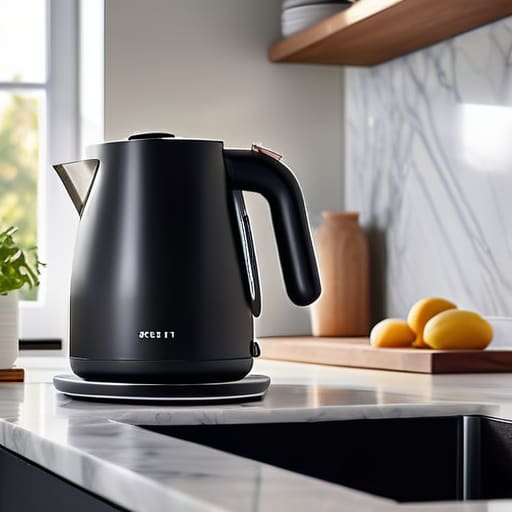
I was sitting in my workshop last Tuesday, tinkering with a 1970s Marantz receiver, when I realized my new electric kettle had already started making that high-pitched, whining sound that usually precedes a total circuit failure. It’s the same story every time I walk into a modern big-box store: you’re met with a wall of sleek, brushed stainless steel that looks great in a catalog but is held together by little more than glued-on plastic and wishful thinking. Most people think they need a smart device with Bluetooth connectivity and a smartphone app just to boil water, but frankly, that’s just a recipe for an expensive paperweight sitting on your countertop.
I’m not here to sell you on the latest “smart” kitchen gadget or any overhyped nonsense that requires a software update to make a cup of tea. My goal is simple: I want to help you find an electric kettle that actually does its job without falling apart after six months of heavy use. I’ll be looking at things most manufacturers hope you ignore—like the gauge of the heating element, the integrity of the seals, and whether the switch is built to survive a thousand cycles. We’re going to focus on build quality and reliability, so you can stop wasting your hard-earned money on junk.
Table of Contents
Stainless Steel vs Glass Kettle Which Actually Holds Up
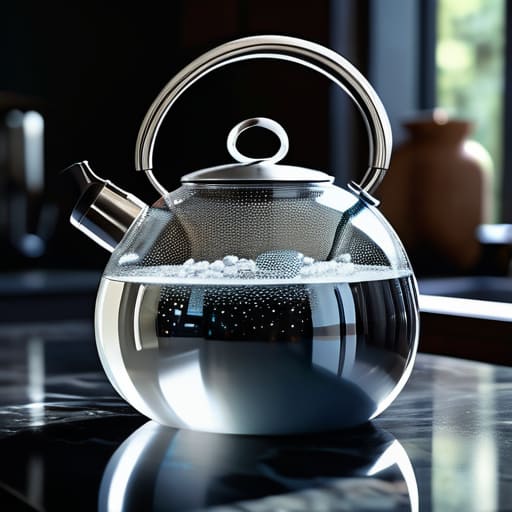
When you’re looking at the stainless steel vs glass kettle debate, you have to look past the aesthetics and focus on the material science. I’ve spent enough time around industrial boilers to know that glass looks sharp on a modern countertop, but it’s a fragile medium. If you have a clumsy morning or a heavy-handed teenager in the house, that borosilicate glass is one slip away from a shattered mess. Glass is fine if you want to watch the bubbles dance, but it’s a high-maintenance choice for a daily driver.
Stainless steel, on the other hand, is built for the long haul. I prefer a high-grade 304 steel because it doesn’t react with the water, which is vital if you’re looking for the best electric kettle for tea drinkers who actually care about flavor profiles. Steel handles the thermal stress of repeated heating cycles much better than glass. While you might miss the visual of the water level through a clear wall, you gain a piece of hardware that won’t crack under pressure. If you want a tool that survives a decade rather than a season, stick to the metal.
The Cordless Kettle Benefits You Actually Need
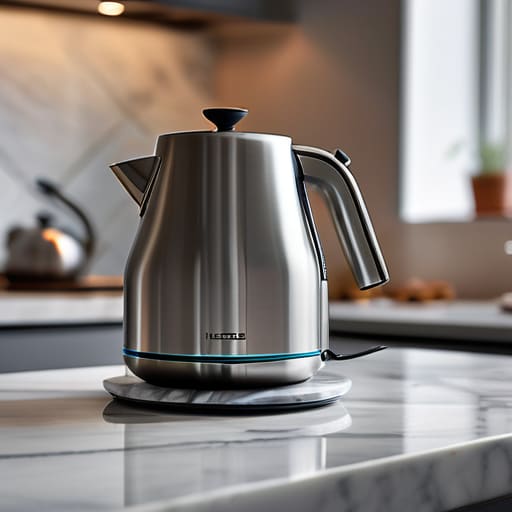
Now, let’s talk about the actual utility of the cordless design. I see a lot of folks getting tripped up by the novelty of it, but the real advantage isn’t about looking modern—it’s about mechanical simplicity and safety. When you decouple the heating element from the power cord via a 360-degree base, you’re removing the constant tension and fraying that kills most kitchen appliances after a year of heavy use. More importantly, I look for models that prioritize automatic shut-off safety features. If a unit doesn’t kill the power the second the water hits a boil or if it stays on when you lift the carafe, it’s a fire hazard, plain and simple.
Beyond the safety aspect, the cordless kettle benefits extend to how you actually use it in a cramped kitchen. You aren’t tethered to a wall outlet while you’re pouring; you can move freely from the base to the counter. If you’re a serious drinker, look for a temperature control electric kettle within this cordless setup. It allows you to hit specific heat targets for delicate greens or robust blacks without boiling the life out of them. It’s about precision, not just convenience.
Five Rules for Not Buying a Piece of Junk
- Check the heating element before you buy. If the element is exposed at the bottom of a cheap metal pot, it’s going to scale up and fail within a year. Look for a concealed element tucked behind a stainless steel plate; it’s easier to clean and lasts significantly longer.
- Don’t get distracted by “smart” features. I don’t need an app on my phone to tell me my water is hot. A simple, tactile switch that clicks into place is much more reliable than a touchscreen that’s going to glitch out the moment you get a drop of steam on it.
- Look at the weight of the lid. A flimsy, lightweight plastic lid is a dead giveaway of poor build quality. You want a lid with some heft to it that creates a proper seal; otherwise, you’re wasting energy and losing heat like a sieve.
- Inspect the base connection. If the 360-degree swivel base feels loose or wobbles when you set the kettle down, walk away. A stable connection is the difference between a reliable morning routine and a kitchen fire hazard.
- Avoid anything with excessive plastic contact with the water. If the spout or the inner rim is made of cheap, thin plastic, you aren’t just risking a bad taste—you’re risking chemicals leaching into your tea. Stick to high-grade stainless steel or borosilicate glass.
The Bottom Line: Don't Get Fooled by the Glossy Box
Prioritize build material over aesthetics; if the heating element is exposed or the housing is thin, cheap plastic, it won’t survive a year of heavy use.
Look for mechanical simplicity—a solid, heavy-duty switch is always going to outlast a finicky digital touchscreen that’s prone to glitching.
Don’t pay a premium for “smart” features that require an app; you just need a kettle that boils water quickly and shuts itself off reliably every single time.
The Real Test of a Kettle
“I don’t care how many touchscreens or Bluetooth features they cram into the base; if the heating element isn’t robust and the seal isn’t tight, you haven’t bought a kitchen appliance—you’ve just bought a future trip to the landfill.”
Roland Delacroix
Bottom Line: Don't Get Swindled by Shiny Gadgets
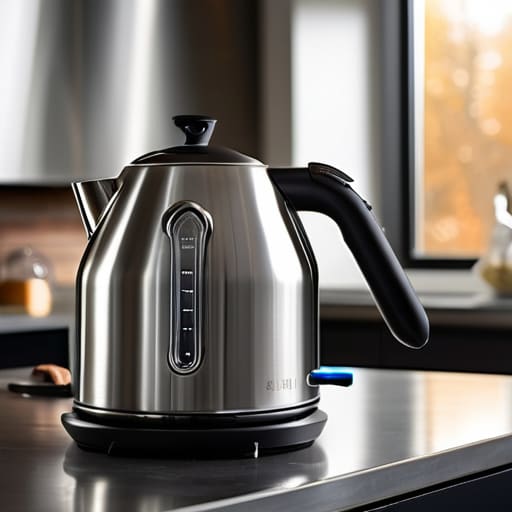
At the end of the day, choosing a kettle shouldn’t feel like a math exam, but you have to look past the marketing fluff. If you want longevity, stick to a heavy-duty stainless steel body and avoid those cheap, thin-walled glass models that crack if you look at them wrong. Make sure the heating element is integrated and shielded, and for heaven’s sake, ensure the cordless base is stable and doesn’t wobble when you set it down. I’ve seen too many people spend fifty dollars on a “smart” kettle that requires a Wi-Fi connection just to boil water; that’s just unnecessary complexity that eventually leads to failure. Focus on the build, the material, and the reliability of the switch.
My advice is simple: buy for the decade, not for the season. We live in a culture of planned obsolescence where everything is designed to end up in a landfill within two years, but your kitchen tools don’t have to be part of that cycle. Invest in a piece of hardware that feels substantial in your hand and performs its singular task without a fuss. When you find a kettle that delivers a consistent boil every single morning without a single glitch, you’ve found a reliable tool. Stop chasing the latest trends and start prioritizing mechanical integrity. Your morning coffee deserves better than flimsy plastic.
Frequently Asked Questions
How do I tell if the heating element is actually high-quality stainless steel or just cheaply coated metal that's going to corrode in six months?
Don’t just take the marketing brochure’s word for it. When you unbox the kettle, look closely at the base of the heating element. High-quality 304 or 316 stainless steel will have a consistent, brushed, or polished finish that feels integrated into the vessel. If you see any signs of a “coating” or if the metal looks like it was sprayed on, walk away. That’s just cheap aluminum with a veneer that’ll flake and pit within months.
Is it worth paying a premium for a kettle with precise temperature controls, or is that just more circuitry that's bound to fail?
Look, if you’re just making a standard cup of builder’s tea or instant coffee, you don’t need a digital readout. Most of those temperature settings are just more sensitive circuitry and sensors that’ll eventually succumb to limescale or heat fatigue. If you aren’t a tea connoisseur brewing delicate oolongs, save your money. Stick to a reliable manual switch. Don’t pay a premium for extra components that are just waiting to fail.
What’s the real-world difference in durability between a kettle with a plastic housing and one with a full metal body?
Look, I’ve seen enough cheap components fail to know that plastic is a gamble. A plastic housing might look sleek on a showroom floor, but it’s prone to heat degradation and that unmistakable “old plastic” smell after a few months. A full metal body, specifically heavy-gauge stainless steel, handles thermal cycling much better. If you want something that won’t crack or warp after a year of daily use, stick to metal.
